A Practical Guide To Reading Difficulties In English As A Second Language Among Arab Students For Regular And Special Education Teachers

Account upgrade
The download is free, but we offer some paid services. Support us by subscribing
Delete ads and speed up browsing the library.
The download starts with the click of a button without waiting for the book to be ready.
No limits for download times.
You can upload unlimited books in the library.
Enable readers to download your books without waiting.
Delete ads on the books that you publish.
No problems with download links for your uploaded books.
Book A Practical Guide To Reading Difficulties In English As A Second Language Among Arab Students For Regular And Speci
Copyright reserved
The book cannot be previewed or downloaded in order to preserve the copyright of the author and publishing house
Not available digitally or on paper through the Noor Library, it is for rating and review

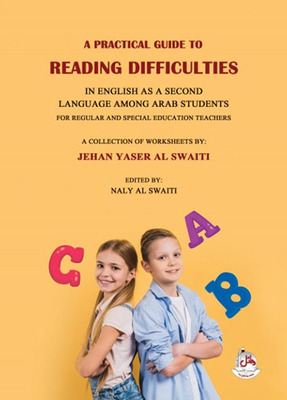

A Practical Guide To Reading Difficulties In English As A Second Language Among Arab Students For Regular And Special Education Teachers
| Author: | Jihan Yasser AlSweiti |
| Category: | Reading Rules For The Arabic Language [Edit] |
| Language: | English |
| Publisher: | دار وائل للطباعة والنشر والتوزيع |
| ISBN: | 9789957676193 |
| Release Date: | 12 Oct 2020 |
| Pages: | 45 |
| Rank: | 559,121 No 1 most popular |
| Short link: | Copy |
| More books like this book | |
Book Description
It is expected that many school students face problems in learning a second language.
When it comes to students who have reading difficulties (dyslexia), whether in public or private schools or even in special education settings, these students face a doubled problem.
Students whose native language is Arabic and study English as a second language, which has a different orthography, and have dyslexia at the same time are not an exception.
Being dyslexic means that the person will face problems in learning language.
In public schools in Jordan, service is provided to students who have dyslexia in the Arabic and proper formal assessment is available only for the Arabic language in the resource room (special education room).
Therefore, there should be a concentration on providing services for students who have dyslexia when learning other languages.
As a regular and special education teacher of the English have dyslexia in English as a second language in Jordanian public schools in the first three grades.
This work is based on the concepts of phonological and phonemic awareness instruction and to be introduced to students as early as possible.
It is also composed of three levels. Each level is divided into small steps, it is recommended that the student receive three sessions per week as a minimum; each session consists of 45 minutes.
For best results, the portion should be one session per day. We should take into consideration that students who have dyslexia may take a longer time to reach the levels presented in these worksheets.
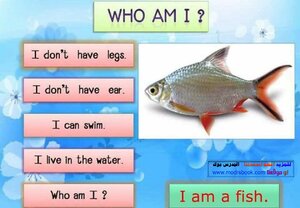
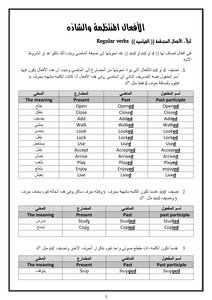
My work is produced in the form of worksheets designed.

Copyright reserved
The book cannot be previewed or downloaded in order to preserve the copyright of the author and publishing house
Not available digitally or on paper through the Noor Library, it is for rating and review
Share the book :
Book Review "A Practical Guide To Reading Difficulties In English As A Second Language Among Arab Students For Regular And Special Education Teachers"

Book Quotes "A Practical Guide To Reading Difficulties In English As A Second Language Among Arab Students For Regular And Special Education Teachers"

Other books like "A Practical Guide To Reading Difficulties In English As A Second Language Among Arab Students For Regular And Special Education Teachers"





If there is a problem with the book, please report through one of the following links:
Report the book or by Contact us
E-books are complementary and supportive of paper books and never cancel it. With the click of a button, the e-book reaches anyone, anywhere in the world.
E-books may weaken your eyesight due to the glare of the screen. Support the book publisher by purchasing his original paper book. If you can access it and get it, do not hesitate to buy it.
Publish your book now for free