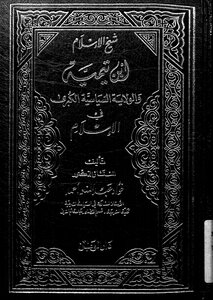
The Purposes Of Sharia According To The Sheikh Of Islam Ibn Taymiyyah

Account upgrade
The download is free, but we offer some paid services. Support us by subscribing
Delete ads and speed up browsing the library.
The download starts with the click of a button without waiting for the book to be ready.
No limits for download times.
You can upload unlimited books in the library.
Enable readers to download your books without waiting.
Delete ads on the books that you publish.
No problems with download links for your uploaded books.
Book The Purposes Of Sharia According To The Sheikh Of Islam Ibn Taymiyyah
Copyright reserved
The book cannot be previewed or downloaded in order to preserve the copyright of the author and publishing house
Not available digitally or on paper through the Noor Library, it is for rating and review



The Purposes Of Sharia According To The Sheikh Of Islam Ibn Taymiyyah
| Author: | Youssef Ahmed Badawi |
| Category: | Ebn Taimia [Edit] |
| Language: | Arabic |
| Publisher: | دار النفائس للنشر والتوزيع |
| Release Date: | 01 Jan 2000 |
| Pages: | 608 |
| Rank: | 361,394 No 1 most popular |
| Short link: | Copy |
| More books like this book | |
Book Description
تبلور هذه الرسالة التي بين يدينا مقاصد الشريعة عند "ابن تيمية" وقد جاءت في خمسة فصول وخاتمة: الفصل الأول: تعريف ابن تيميمة وبعلم المقاصد. في هذا الفصل تم تبيان سيرة ابن تيمية، ومفهوم علم مقاصد الشريعة، وتاريخ نشأته ومدى أهميته وأقسام المقاصد. في الفصل الثاني تم عرض أبرز موضوعات مقاصد الشريعة عند ابن تيمية، وبالتالي تم إيضاح أهم قضايا المقاصد عند ابن تيمية وهي: مسألة التعليل، وطرق معرفة المقاصد، وقطعية المقاصد، ومدى حصر المقاصد في الضروريات الخمسة المعروفة، وجلب المصالح وتعطيل المفاسد.
وخصص الفصل الثالث لإجلاء علاقة المقاصد بالأدلة المتفق عليها وهي: الكتاب والسنة والإجماع، وبالأدلة المختلفة فيها وهي: القياس والاستصحاب والمصالح المرسلة وسد الذرائع وأبطال الحيل وقول الصحابي واستحسان والعرف وشرع من قبلنا. ثم علاقة المقاصد بالسياسة الشرعية. وضرب في الفصل الرابع والمعنون بـ"تطبيقات فقهية على حفظ المقاصد عند ابن تيمية" الأمثلة من أقوال ابن تيمية على حفظ الضروريات والحاجيات والتحسينات.
أما في الفصل الخامس والأخير فتم إبراز دور ابن تيمية في علم المقاصد واستفادة الشاطبي منه، واعتدال ابن تيمية ي المقاصد وبناءه الاستدلال على مقاصد الشريعة، وربطه بين المقاصد وأصول الفقه ووفرة تطبيقاته المقاصدية، وتأصيله القواعد المقاصدية ومراعاته مقاصد المكلفين. وجاء بعد هذه الفصول خاتمة اشتملت على أهم نتائج هذه الدراسة.
وبالعودة لمنهاج المصنف في بحثه نجد أنه قد سلك الخطوات التالية: أولاً: اعتمد المصادر والمراجع الأصلية في العزو، ثانياً: قام بفرد الآيات إلى مواطنها في القرآن الكريم بذكر اسم السورة ورقم الآية. ثالثاً: عمد إلى تخريج الأحاديث النبوية من مراجعها الأصلية، وكذلك الآثار. رابعاً فسر ما في معناه من المفردات والتراكيب والمصطلحات الواردة غالباً.. وقام أيضاً بذكر استيعاب مواضع القضية التي يعرض إليها ابن تيمية، خامساً: ترجم للإعلام الوارد أسماؤهم في الرسالة ممن غلب إلى المصنف عدم شهرتهم إلا الذين وردوا في تاريخ علم المقاصد فترجم لهم حتى تكتمل دراسته عنهم تاريخياً وعلمياً.

Copyright reserved
The book cannot be previewed or downloaded in order to preserve the copyright of the author and publishing house
Not available digitally or on paper through the Noor Library, it is for rating and review
Share the book :
Book Review "The Purposes Of Sharia According To The Sheikh Of Islam Ibn Taymiyyah"

Book Quotes "The Purposes Of Sharia According To The Sheikh Of Islam Ibn Taymiyyah"

Other books like "The Purposes Of Sharia According To The Sheikh Of Islam Ibn Taymiyyah"










If there is a problem with the book, please report through one of the following links:
Report the book or by Contact us
E-books are complementary and supportive of paper books and never cancel it. With the click of a button, the e-book reaches anyone, anywhere in the world.
E-books may weaken your eyesight due to the glare of the screen. Support the book publisher by purchasing his original paper book. If you can access it and get it, do not hesitate to buy it.
Publish your book now for free