Famous Arts Cities (Nile And Memphis) Cairo 1906

Account upgrade
The download is free, but we offer some paid services. Support us by subscribing
Delete ads and speed up browsing the library.
The download starts with the click of a button without waiting for the book to be ready.
No limits for download times.
You can upload unlimited books in the library.
Enable readers to download your books without waiting.
Delete ads on the books that you publish.
No problems with download links for your uploaded books.
Book Famous Arts Cities Nile And Memphis Cairo 1906
Copyright reserved
The book cannot be previewed or downloaded in order to preserve the copyright of the author and publishing house
Not available digitally or on paper through the Noor Library, it is for rating and review

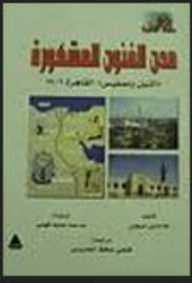

Famous Arts Cities (Nile And Memphis) Cairo 1906
| Author: | جاستون ميجون |
| Category: | Fine Art [Edit] |
| Language: | Arabic |
| Publisher: | الهيئة المصرية العامة للكتاب السلسلة: القاهرة |
| Release Date: | 01 Jan 2013 |
| Pages: | 136 |
| Rank: | 749,581 No 1 most popular |
| Short link: | Copy |
| More books like this book | |
Book Description
الفصل الأول بعنوان "النيل.. الوادى" ويتحدث عن مصر هبة النيل، وأنه لا يوجد على سطح الكرة الأرضية نهر تكتنفه أسرار مثل نهر النيل، كما لا يوجد نهر ملأ خيال البشرية بجاذبيته وشغفه الشديدين مثل نهر النيل، وهو بلا شك أطول أنهار الكرة الأرضية.
وفي الفصل الثاني يقدم المؤلف صورة للقاهرة القديمة والحديثة مثل حي الأزبكية الذي يقع في قلب القاهرة ومن هذا الميدان تفرع العديد من الشوارع الواسعة تتقارب عند الكوبري الكبير وهو الكوبري الوحيد الذي يربط القاهرة مع الضفة الغربية للنهر مع الجيزة.
أما الفصل الثالث تحدث عن مدافن القاهرة والجوامع التي تعلوها ففي هذا الوقت كان يوجد بالقاهرة حوالى 400 جامع منها جامع عمرو وكان هذا الجامع بسيطًا أو بدائيًا وفي عام 971 تم الانتهاء من بناء الجامع الأزهر حيث كان مكان للصلاة ومكان للتعليم بالإضافة إلى الجامعة التي بنيت عام 978م كما توجد أربعة جوامع أخرى القاهرة يرجع تاريخها إلى الأسرة الفاطمية الحاكمة وهي جامع الحاكم الذي عرضت فيه أول تشكيلة من الفن العربي وجامع الجيوشي وجامع الأقمر وأخيرًا جامع الصالح.
وفي الفصل الرابع تحدث عن مقابر الخلفاء والمماليك حيث لا توجد منذ زمن بعيد مقابر أو مدافن من داخل المدينة كانت خارج الأسوار وفقًا للطوائف والمذاهب التي تنتمي إليها وكان السياح أسموهما بأسماء مقابر الخلفاء ومقابر المماليك إلا أن هذه التسمية تنقصها الدقة.
أما الفصلين الخامس والسادس تحدث فيهما عن القاهرة القديمة ومنطقة الأهرام وأبو الهول، فالفسطاط والأديرة القبطية حيث تم بناء كنائس وأديرة بجانب الجامع الأول لعمرو وتجمعت في مكان مسور يسمى "قصر الشمعة" أو "حصن الشمعة" والذي ظل منطقة نفوذ الطائفة القبطية ومن أهم هذه الكنائس كنسية القديس سرجة أو أبو سرجة ومن أشهر المتاحف متحف محمد علي باشا.
وفى الفصليين الأخريين تحدث عن مدينة الأموات أومعبد الآلهة الهلينى، فالمقبرة المصرية كانت دائماً مقسمة إلى ثلاثة أجزاء لكل منها استخدامه، أولا المصلحة الخارجية، ثانيا الغرفة التى كان يوجد بها التابوت الحجرى، ثالثا ممر يقود إلى إحدى الغرفتين ثم الغرفة الأخيرة.

Copyright reserved
The book cannot be previewed or downloaded in order to preserve the copyright of the author and publishing house
Not available digitally or on paper through the Noor Library, it is for rating and review
Share the book :
Book Review "Famous Arts Cities (Nile And Memphis) Cairo 1906"

Book Quotes "Famous Arts Cities (Nile And Memphis) Cairo 1906"

Other books like "Famous Arts Cities (Nile And Memphis) Cairo 1906"










If there is a problem with the book, please report through one of the following links:
Report the book or by Contact us
E-books are complementary and supportive of paper books and never cancel it. With the click of a button, the e-book reaches anyone, anywhere in the world.
E-books may weaken your eyesight due to the glare of the screen. Support the book publisher by purchasing his original paper book. If you can access it and get it, do not hesitate to buy it.
Publish your book now for free