In Theology (part 3) Zaydism

Account upgrade
The download is free, but we offer some paid services. Support us by subscribing
Delete ads and speed up browsing the library.
The download starts with the click of a button without waiting for the book to be ready.
No limits for download times.
You can upload unlimited books in the library.
Enable readers to download your books without waiting.
Delete ads on the books that you publish.
No problems with download links for your uploaded books.
Book In Theology Part 3 Zaydism
Copyright reserved
The book cannot be previewed or downloaded in order to preserve the copyright of the author and publishing house
Not available digitally or on paper through the Noor Library, it is for rating and review



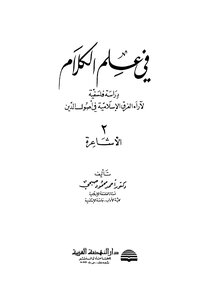
In Theology (part 3) Zaydism
| Author: | Ahmed Mahmoud Sobhi |
| Category: | Theology [Edit] |
| Language: | Arabic |
| Publisher: | دار النهضة العربية للطباعة والنشر والتوزيع |
| Release Date: | 01 Jan 1985 |
| Pages: | 480 |
| Rank: | 581,430 No 1 most popular |
| Short link: | Copy |
| More books like this book | |

Ahmed Mahmoud Sobhi
The Author Book In Theology (part 3) Zaydism and the author of 24 another books.
Book Description
يمثل الكتاب حلقة من سلسلة دراسة أهم الفرق الإسلامية جاءت تحت عنوان "في علم الكلام" تمّ فيها تناول كل من الفرق التالية: المعتزلة الزيدية الأشاعرة. وتهدف هذه السلسلة إلى عرض آراء كل فرقة من الفرق الإسلامية في نسق متكامل سواء من جانب الشخصيات أو من جانب الموضوعات. ويعرض المؤلف في هذا الكتاب لفرقة الأشاعرة منذ نشأتها، منقباً عن جذورها وأسلاف شخصياتها مقتفياً أثرها، متتبعاً مسارها من خلال مفكريها إلى أن حطت الرحال فعجز عن أن تنتج فكراً، وعقمت عن أن تقدم مفكرين.
على أن هذه ليست دراسة تاريخية بحتة، لأنه ليس في الأحداث التاريخية ما يكفي لتفسير نشأة الفرق أو أفولها، وإنما ولما كانت دراسة الفرق دراسة فكر، فإن الفكر لا يفسر إلا بالفكر، ومن ثم فقد وجب على المؤلف تلمس أسباب عقلية لنشأة الأشاعرة ولقيامها في القرن الرابع وليس قبله ثم لعوامل انتشارها وازدهارها. على أن هذا لا يعني استبعاد المؤلف لدور التاريخ، فما من فكر يعيش في عزلة عن المكونات الحضارية التي عاصرته، ومن ثم كان لا بد ولهذه الدراسة من تمهيد لفرقة الأشاعرة للتعريف بخلفيتا الحضارية التي عنها انبثق فكرها، وبذلك يكون المؤلف قد استبعد ما شاع قديماً من اتهام الفرق بعضها لبعض بالزيغ أو البدع أو الضلالة حيث كانت نشأة الأشعرية في ظروف طلب وجدان جمهور المسلمين والقصد والاعتدال والحلول الوسطى وذلك في عصر بلغ التزيد والحشو في الاعتقاد بتأثير مؤثرات حداً خطيراً، فكان لا بد من صيحة بالعودة إلى الينابيع الأولى إلى عصر السلف، من هنا كان لا بد من انبثاق هذه الفرقة "الأشعرية".
وهذه لمحة عن المحاور التي دارت حولها الدراسة: تمهيد الأشعرية والفكر الإسلامي، شخصيات الأشاعرة، مرحلة النشأة والصياغة: 1-أبو الحسن الأشعري (في جليل الكلام)، 2-أبو بكر الباقلاني (في دقيق الكلام)، 3-عبد القاهر البغدادي (الصياغة العقائدية لمذهب الخلف ن أهل السنة)، 4-أبو المعالي الجويني. مرحلة اكتمال العقيدة: 1-أبو حامد الغزالي، 2-ابن تومرت "مهدي الموحدين"، 3-الشهرستاني. مرحلة علم الكلام الفلسفي: 1-فخر الدين الرازي، 2-عضد الدين الإيحي. الأشعرية في دور التقليد، تقييم فكر الأشعرية: إيجابيات وسلبيات.

Copyright reserved
The book cannot be previewed or downloaded in order to preserve the copyright of the author and publishing house
Not available digitally or on paper through the Noor Library, it is for rating and review
Share the book :



Other books like "In Theology (part 3) Zaydism"






![[theological Works]](/publice/covers_cache_jpg/21/d/7/3/605e887695d736ba700cb4854b6cd027.jpg.jpg "[theological Works]")


Other books for "Ahmed Mahmoud Sobhi"


If there is a problem with the book, please report through one of the following links:
Report the book or by Contact us
E-books are complementary and supportive of paper books and never cancel it. With the click of a button, the e-book reaches anyone, anywhere in the world.
E-books may weaken your eyesight due to the glare of the screen. Support the book publisher by purchasing his original paper book. If you can access it and get it, do not hesitate to buy it.
Publish your book now for free