Karate Rules

Account upgrade
The download is free, but we offer some paid services. Support us by subscribing
Delete ads and speed up browsing the library.
The download starts with the click of a button without waiting for the book to be ready.
No limits for download times.
You can upload unlimited books in the library.
Enable readers to download your books without waiting.
Delete ads on the books that you publish.
No problems with download links for your uploaded books.
Book Karate Rules
Copyright reserved
The book cannot be previewed or downloaded in order to preserve the copyright of the author and publishing house
Not available digitally or on paper through the Noor Library, it is for rating and review

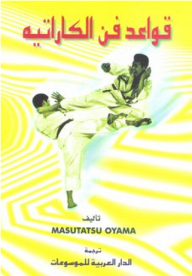

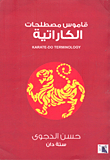
Karate Rules
| Author: | Masutatsu Oyama |
| Category: | Databases [Edit] |
| Language: | Arabic |
| Publisher: | الدار العربية للموسوعات |
| Release Date: | 01 Jan 2001 |
| Pages: | 214 |
| Rank: | 240,003 No 1 most popular |
| Short link: | Copy |
| More books like this book | |
Book Description
تعتز مؤسستنا - الدار العربية للموسوعات - أن نقدم للقارئ العزيز أول كتاب مترجم إلى اللغة العربية وهو كتاب "قواعد فن الكاراتيه" الذي هو أسلوب قتالي لا يحتاج إلى سلاح ويلجأ إليه أولئك الذين أخذت منهم أسلحتهم أو الذين يمنعون من حمل السلاح وقد جرت أحداث خلال تاريخ الشرق الأقصى لجأ فيها الشعب إلى مقاومة حكامه بأيديهم المجردة من السلاح وخير شاهد على ذلك ثورة الشعب الصيني على سلالة ديوان الملكية الحاكمة حيث ثار أكثر من (150) ألف شخص على تلك السلالة وسلاحهم الوحيد فن الكامبو.
كما تشكلت في القرن التاسع عشر جمعيات سرية مثل جمعية السيف الكبير التي قامت بالثورة ضد الالمان الذين تمركزوا في شبه جزيرة شانتونغ ومقد عرفت تلك الثورة فيما بعد بتمرد الملاكمين وذلك لإعتماد المتمردين على أساليب القتال باليدين المجردتين.
وكانت جزيرة أوكيناوا وهي واحدة من مجموعة جزر تسمى ويوكيو وتقع على مسافة واحدة بين الصين واليابان قد تميزت منذ زمن طويل بنوع من القتال غير المسلح المسمى تي أو اليد.
وكان من الطبيعي أن ينتقل هذا الأسلوب إلى الصين بسبب التجارة القائمة بين البلدين وبالتالي أن يقع تحت تأثير فن الكامبو، وما نسميه اليوم بالكاراتيه هو في الواقع مزيج من أسلوب في الأوكيناوي الذي انتقل إلى اليابان واندمج بأسلوب جوجوتسو.
كما أقدم فن قتالي في اليابان يسمى تيكوا، وقد تطور إلى أسلوب مصارعة يسمى سومو، وقد انفصل فن الجوجوتسو فيما بعد عن فن السومو وطور مجموعة من الأساليب من بينها الحركات الإرتدادية والضربات وقبضات الخنق والرميات، وفي القرن السابع عشر أدخل أحد الصينيين فن الكامبو الصيني إلى اليابان وقد توحدت بعد ذلك جميع الفنون الحربية القتالية غير المسلحة وأن تقسيم تلك الفنون إلى الكاراتيه والجودو والجوجوتسو والأكيدو جاء من نتاج القرن العشرين وقد تميز القتال الياباني غير المسلح بوضع منخفض للورك.
أما ما نسميه اليوم بالكاراتيه فهو مركب اعتمد على أسلوب الأكيناوا - تي الذي أدخل إلى اليابان عام 1922 بواسطة جيشين فوناكوشي وهو أفضل ما في أسلوب الجوجوتسو الياباني، والشاني الكوري والكامبو الصيني القديم والتاكيو الحديث.

Copyright reserved
The book cannot be previewed or downloaded in order to preserve the copyright of the author and publishing house
Not available digitally or on paper through the Noor Library, it is for rating and review
Share the book :

Book Quotes "Karate Rules"

Other books like "Karate Rules"





If there is a problem with the book, please report through one of the following links:
Report the book or by Contact us
E-books are complementary and supportive of paper books and never cancel it. With the click of a button, the e-book reaches anyone, anywhere in the world.
E-books may weaken your eyesight due to the glare of the screen. Support the book publisher by purchasing his original paper book. If you can access it and get it, do not hesitate to buy it.
Publish your book now for free