The Aesthetics Of The Place In The Novels Of Jabra Ibrahim Jabra

Account upgrade
The download is free, but we offer some paid services. Support us by subscribing
Delete ads and speed up browsing the library.
The download starts with the click of a button without waiting for the book to be ready.
No limits for download times.
You can upload unlimited books in the library.
Enable readers to download your books without waiting.
Delete ads on the books that you publish.
No problems with download links for your uploaded books.
Book The Aesthetics Of The Place In The Novels Of Jabra Ibrahim Jabra
Copyright reserved
The book cannot be previewed or downloaded in order to preserve the copyright of the author and publishing house
Not available digitally or on paper through the Noor Library, it is for rating and review

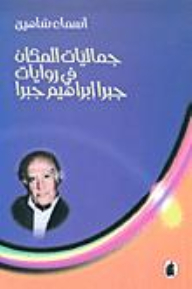

The Aesthetics Of The Place In The Novels Of Jabra Ibrahim Jabra
| Author: | Asmaa Shaheen |
| Category: | Abraham's People [Edit] |
| Language: | Arabic |
| Publisher: | المؤسسة العربية للدراسات والنشر |
| Release Date: | 01 Jan 2001 |
| Pages: | 185 |
| Rank: | 186,177 No 1 most popular |
| Short link: | Copy |
| More books like this book | |
Book Description
يعدّ "جبرا إبراهيم جبرا" من الروائيين العرب الذين نالوا حظاً من الشهرة الواسعة، ليس على نطاق الوطن العربي فحسب، بل على نطاق أوسع. امتد ليشمل العالم العربي أيضاً، وتمثل هذا في ترجمة مجموعة من أعماله إلى لغات أجنبية. ولم تأتي شهرته هذه في أعماله الروائية فحسب، بل في أعماله الأخرى لا سيما الشعر والنقد والترجمة.
والقارئ لأعمال جبرا يجد أن المكان قد شغل حيزاً كبيراً من أعماله، وظهر ذلك في عنونات رواياته، وفي ثناياها، "فصيادون في شارع ضيق" تحمل في عنوانها المكان لتجعل الشارع أهم مرتكز تقف عليه أحداث الرواية، ورواية "السفينة" تتخذ من السفينة مكاناً لتدور عليه أحداث الرواية، كذلك جعلت رواية "الغرف الأخرى" الأحداث تدور داخل الغرف كما يشير العنوان.
وقد اختلفت الأمكنة في روايات جبرا ما بين مكان مغلق وآخر مفتوح ولكل منهما صفاته المختلفة التي نستطيع تبينها من خلال قراءة الروايات الست التي شملها هذا البحث، الذي لم تقيد فيه الباحثة نفسها بمنهج معين، بل اعتمدت فيه على المنهج التحليلي لا سيما في دراسة النصوص، وذلك لأن هذا المنهج يساعد على التعمق في النص وفهمه، ويسهم في الوصول إلى الأهداف المرجوة من البحث.
هذا وقد جاء الدراسة في تمهيد وفصلين وخاتمة؛ أما التمهيد فيتناول مفهوم المكان من وجهة نظر علماء الفلسفة والاجتماع، ثم مفهوم لمكان وتطوره في الأدب. ويتناول الفصل الأول صورة المكان التي تنقسم إلى: 1-المكان المغلق، ويضم الحديث عن: البيت، والسجن-غرف التحقيق، والمقهى، والملهى، 2-المكان المفتوح، ويضم الحديث عن: الصحراء، والبحر (السفينة) والشارع، 3-المدينة. ويتناول في الفصل الثاني الحديث عن البناء الفني، وذلك من خلال العناصر الأدبية وارتباطها بالمكان، ويضمّ علاقة المكان بالشخصية وتأثيره فيها من الناحية الجسدية والنفسية، ثم الحديث عن علاقة المكان بالزمان: الزمن التاريخي، الزمن الوجودي، وجدلية الماضي والحاضر، زمن ما قبل النكبة، زمن ما بعد النكبة. ثم الكان واللغة، ودرس فيه الرمز والأسطورة، والأساليب السردية، وعلاقة كل منها في تشكيل المكان والتعبير عنه، آخذة بعين الاعتبار أن اللغة هي الشكل لكل حديث عن الموضوع بأكمله.

Copyright reserved
The book cannot be previewed or downloaded in order to preserve the copyright of the author and publishing house
Not available digitally or on paper through the Noor Library, it is for rating and review
Share the book :


Book Quotes "The Aesthetics Of The Place In The Novels Of Jabra Ibrahim Jabra"

Other books like "The Aesthetics Of The Place In The Novels Of Jabra Ibrahim Jabra"









If there is a problem with the book, please report through one of the following links:
Report the book or by Contact us
E-books are complementary and supportive of paper books and never cancel it. With the click of a button, the e-book reaches anyone, anywhere in the world.
E-books may weaken your eyesight due to the glare of the screen. Support the book publisher by purchasing his original paper book. If you can access it and get it, do not hesitate to buy it.
Publish your book now for free