Bank Of The Poor: Microcredit And The Battle Against Global Poverty

Account upgrade
The download is free, but we offer some paid services. Support us by subscribing
Delete ads and speed up browsing the library.
The download starts with the click of a button without waiting for the book to be ready.
No limits for download times.
You can upload unlimited books in the library.
Enable readers to download your books without waiting.
Delete ads on the books that you publish.
No problems with download links for your uploaded books.
Book Bank Of The Poor Microcredit And The Battle Against Global Poverty
Copyright reserved
The book cannot be previewed or downloaded in order to preserve the copyright of the author and publishing house
Not available digitally or on paper through the Noor Library, it is for rating and review

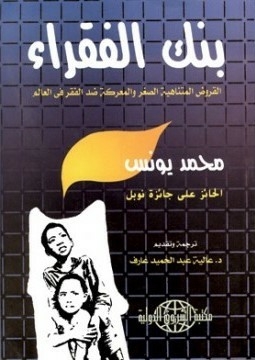

Bank Of The Poor: Microcredit And The Battle Against Global Poverty
| Author: | Muhammad Yunus |
| Category: | Loans And Interest [Edit] |
| Language: | Arabic |
| Publisher: | مكتبة الشروق الدولية (first published 1991) |
| Release Date: | 01 Jan 2008 |
| Pages: | 298 |
| Rank: | 205,513 No 1 most popular |
| Short link: | Copy |
| More books like this book | |
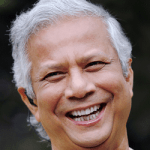
Muhammad Yunus
The Author Book Bank Of The Poor: Microcredit And The Battle Against Global Poverty and the author of 29 another books.
البروفيسور محمد يونس أستاذ الاقتصاد السابق في جامعة شيتاجونج إحدى الجامعات الكبرى في بنغلاديش، ومؤسس بنك جرامين Grameen Bank، وحاصل على جائزة نوبل للسلام عام 2006.
ولد محمد يونس عام 1940 في مدينة شيتاجونج Chittagong، التي كانت تعتبر في ذلك الوقت مركزًا تجاريا لمنطقة البنغال الشرقي في شمال شرق الهند، كان والده يعمل صائغًا في المدينة، وهو ما جعله يعيش في سعة من أمره فدفع أبناءه دفعًا إلى بلوغ أعلى المستويات التعليمية، غير أن الأثر الأكبر في حياة يونس كان لأمه "صفية خاتون" التي ما كانت ترد سائلاً فقيرًا يقف ببابهم، والتي تعلّم منها أن الإنسان لا بد أن تكون له رسالة في الحياة.
في عام 1965 حصل على منحة من مؤسسة فولبرايت لدراسة الدكتوراه في جامعة فاندربيلت Vanderbilt بولاية تينيسي الأمريكية، وفي فترة تواجده بالبعثة نشبت حرب تحرير بنجلاديش (باكستان الشرقية سابقا) واستقلالها عن باكستان (أو باكستان الغربية في ذلك الوقت)، وقد أخذ يونس من البداية موقف المساند لبلاده بنجلاديش في الغربة، وكان ضمن الحركة الطلابية البنغالية المؤيدة للاستقلال، التي كان لها دور بارز في تحقيق ذلك في النهاية.
وبعد مشاركته في تلك الحركة عاد إلى بنجلاديش المستقلة حديثا في عام 1972 ليصبح رئيسًا لقسم الاقتصاد في جامعة شيتاجونج، وكان أهالي بنجلاديش يعانون ظروفًا معيشية صعبة، وجاء عام 1974 لتتفاقم معاناة الناس بحدوث مجاعة هلك فيها ما يقرب من مليون ونصف المليون.
وبسبب تفاقم أوضاع الفقراء في بلاده، مضى يحاول إقناع البنك المركزي أو البنوك التجارية بوضع نظام لإقراض الفقراء بدون ضمانات، وهو ما دعا رجال البنوك للسخرية منه ومن أفكاره، زاعمين أن الفقراء ليسوا أهلا للإقراض.
لكنه صمم على أن الفقراء جديرون بالاقتراض، واستطاع بعد ذلك إنشاء بنك جرامين في عام 1979 في بنغلاديش، لإقراض الفقراء بنظام القروض متناهية الصغر التي تساعدهم على القيام بأعمال بسيطة تدر عليهم دخلا معقولا.
وقد حصل على جائزة نوبل للسلام عام 2006
Book Description
Muhammad Yunus is that rare thing: a bona fide visionary. His dream is the total eradication of poverty from the world. In 1983, against the advice of banking and government officials, Yunus established Grameen, a bank devoted to providing the poorest of Bangladesh with minuscule loans. Grameen Bank, based on the belief that credit is a basic human right, not the privilege Muhammad Yunus is that rare thing: a bona fide visionary. His dream is the total eradication of poverty from the world. In 1983, against the advice of banking and government officials, Yunus established Grameen, a bank devoted to providing the poorest of Bangladesh with minuscule loans. Grameen Bank, based on the belief that credit is a basic human right, not the privilege of a fortunate few, now provides over 2.5 billion dollars of micro-loans to more than two million families in rural Bangladesh. Ninety-four percent of Yunus's clients are women, and repayment rates are near 100 percent. Around the world, micro-lending programs inspired by Grameen are blossoming, with more than three hundred programs established in the United States alone.
Banker to the Poor is Muhammad Yunus's memoir of how he decided to change his life in order to help the world's poor. In it he traces the intellectual and spiritual journey that led him to fundamentally rethink the economic relationship between rich and poor, and the challenges he and his colleagues faced in founding Grameen. He also provides wise, hopeful guidance for anyone who would like to join him in "putting homelessness and destitution in a museum so that one day our children will visit it and ask how we could have allowed such a terrible thing to go on for so long." The definitive history of micro-credit direct from the man that conceived of it, Banker to the Poor is necessary and inspirational reading for anyone interested in economics, public policy, philanthropy, social history, and business.
Muhammad Yunus was born in Bangladesh and earned his Ph.D. in economics in the United States at Vanderbilt University, where he was deeply influenced by the civil rights movement. He still lives in Bangladesh, and travels widely around the world on behalf of Grameen Bank and the concept of micro-credit.

Copyright reserved
The book cannot be previewed or downloaded in order to preserve the copyright of the author and publishing house
Not available digitally or on paper through the Noor Library, it is for rating and review
Share the book :
Book Review "Bank Of The Poor: Microcredit And The Battle Against Global Poverty"

Book Quotes "Bank Of The Poor: Microcredit And The Battle Against Global Poverty"

Other books like "Bank Of The Poor: Microcredit And The Battle Against Global Poverty"



Other books for "Muhammad Yunus"
If there is a problem with the book, please report through one of the following links:
Report the book or by Contact us
E-books are complementary and supportive of paper books and never cancel it. With the click of a button, the e-book reaches anyone, anywhere in the world.
E-books may weaken your eyesight due to the glare of the screen. Support the book publisher by purchasing his original paper book. If you can access it and get it, do not hesitate to buy it.
Publish your book now for free