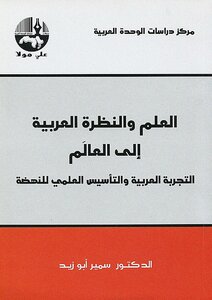
Science And The Arab World View: The Arab Experience And The Scientific Foundation Of The Renaissance

Account upgrade
The download is free, but we offer some paid services. Support us by subscribing
Delete ads and speed up browsing the library.
The download starts with the click of a button without waiting for the book to be ready.
No limits for download times.
You can upload unlimited books in the library.
Enable readers to download your books without waiting.
Delete ads on the books that you publish.
No problems with download links for your uploaded books.
Book Science And The Arab World View The Arab Experience And The Scientific Foundation Of The Renaissance
Copyright reserved
The book cannot be previewed or downloaded in order to preserve the copyright of the author and publishing house
Not available digitally or on paper through the Noor Library, it is for rating and review



Science And The Arab World View: The Arab Experience And The Scientific Foundation Of The Renaissance
| Author: | Sameer Abu Zaid |
| Category: | Philosophy Of Science And Epistemology [Edit] |
| Language: | Arabic |
| Publisher: | مركز دراسات الوحدة العربية |
| ISBN: | 139789953822785 |
| Release Date: | 01 Jan 2009 |
| Pages: | 399 |
| Rank: | 677,666 No 1 most popular |
| Short link: | Copy |
| More books like this book | |
Book Description
يتساءل الكاتب: هل هناك ما يمكن أن نسمّيه بـ "النظرة العربية إلى العالَم"؟ ثم يصوغ الإشكالية، موضوع الكتاب، بأسلوب آخر: إن العائق الحقيقي، لتقبّل المجتمعات العربية الحديثة والمعاصرة للعلم هو "نظرة هذه المجتمعات إلى العالَم"، ويرى أن وجود هذا العائق يستلزم "إعادة تأسيس" العلم في تلك النظرة. بهذا المعنى يعالج شِقَّي القضية: العلم، ونظرة المجتمع إلى العالَم. لذلك يعمد إلى صياغة ماهيّة العلم الذي نأمل في تأسيسه في المجتمع من جانب، وصياغة ماهيّة النظرة إلى العالَم التي يمتلكها المجتمع، وإنشاء علاقة هذه النظرة بالعالَم، من جانب آخر. ويطرح المؤلّف، لهذا، مفهوم "الاتساق" باعتباره المفهوم الجوهري في "النظرة إلى العالَم"؛ فإذا كان لكلّ إنسان، أو لكلّ ثقافة، نظرة إلى العالم، فإن السمة الأساسية التي تميّز هذه النظرة هي أنها تكون متسقة مع ذاتها ومع العالم الواقعي. وما نجاح الحضارة العربية – الإسلامية القديمة، في الانتشار، في العالم القديم، إلا بسبب "الاتساق" مع الذات ومع العالَم. ويقترح المؤلّف أن نعتمد نموذجاً من التراث لتحقيق القضية المطروحة (= العلاقة بين النظرة العربية والعلم)، بحيث يتّسم هذا النموذج بثلاث سمات: أن يكون نموذجاً علمياً، وأن يعتمد المفهوم الاحتمالي للاستقراء، وأن يعتمد عدم الفصل الكامل بين الذات والموضوع. والتطبيق الذي يطرحه باعتباره نموذجاً، هو منهج "الفصل – الوصل" عند عبد القاهر الجرجاني، القائم على ثلاث خطوات أساسية: (1) إنشاء القضية الدينية والقضية العلمية، كلّ في مجالها، بشكل كامل؛ (2) الفصل بين القضيتين، كلّ في مجالها؛ (3) إنشاء علاقة رابطة بين القضيتين، وهي علاقة التدرج في القدرة اللغوية، بلا حدود. فالاعتماد على منهج "الفصل – الوصل"، إضافة إلى المساهمة الإيجابية في صياغة النموذج العلمي الجديد، ثم العمل على صياغة قوانين الطبيعة في كل مستوياتها ؛ كلّ ذلك يفضي في النهاية إلى تقديم حل لمشكلة العلوم الإنسانية، وتأسيسها من جديد.

Copyright reserved
The book cannot be previewed or downloaded in order to preserve the copyright of the author and publishing house
Not available digitally or on paper through the Noor Library, it is for rating and review
Share the book :
Book Review "Science And The Arab World View: The Arab Experience And The Scientific Foundation Of The Renaissance"

Book Quotes "Science And The Arab World View: The Arab Experience And The Scientific Foundation Of The Renaissance"

Other books like "Science And The Arab World View: The Arab Experience And The Scientific Foundation Of The Renaissance"





Other books for "Sameer Abu Zaid"


If there is a problem with the book, please report through one of the following links:
Report the book or by Contact us
E-books are complementary and supportive of paper books and never cancel it. With the click of a button, the e-book reaches anyone, anywhere in the world.
E-books may weaken your eyesight due to the glare of the screen. Support the book publisher by purchasing his original paper book. If you can access it and get it, do not hesitate to buy it.
Publish your book now for free