L'Utopie (French Edition)

Account upgrade
The download is free, but we offer some paid services. Support us by subscribing
Delete ads and speed up browsing the library.
The download starts with the click of a button without waiting for the book to be ready.
No limits for download times.
You can upload unlimited books in the library.
Enable readers to download your books without waiting.
Delete ads on the books that you publish.
No problems with download links for your uploaded books.
Book L 39 Utopie French Edition
Copyright reserved
The book cannot be previewed or downloaded in order to preserve the copyright of the author and publishing house
Not available digitally or on paper through the Noor Library, it is for rating and review



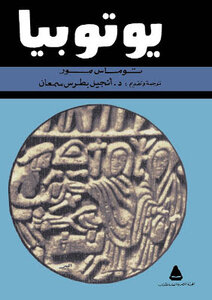
L'Utopie (French Edition)
| Author: | Thomas More |
| Category: | F Sharp Language #F [Edit] |
| Language: | English |
| Publisher: | UltraLetters |
| ISBN: | 2930718072 |
| Release Date: | 01 Jan 2013 |
| Rank: | 579,834 No 1 most popular |
| Short link: | Copy |
| More books like this book | |

Thomas More
The Author Book L'Utopie (French Edition) and the author of 1 another books.
السير توماس مور (Sir Thomas More؛ 7 فبراير 1478 - 6 يوليو 1535) كان قائداً سياسياً ومؤلفاً وعالماً إنجليزياً عاش في القرن 16. يتذكر عادة لمفهوم اليوطوبيا أو المدينة الفاضلة في كتابه اليوتوبيا. وهو قديس حسب الكنيسة الرومانية الكاثوليكية. عارض طلاق هنري الثامن لكاثرين من آراغون، ورفض الاعتراف به كرئيس للكنيسة الرومانية الكاثوليكية في إنجلترا، فحبس وقطع رأسه في برج لندن.
ولد توماس مور في مدينة لندن في 7 فبراير 1478. تلقى تعليمه في مدرسة القديس أنتوني (St. Anthony"s) المعروفة. أصبح محامياً ناجحاً في عام 1501. عين كنائب عمدة لمدينة لندن من 1510 إلى 1518. ألف كتاب "الإبجرامات أو المقطوعة اللاذعة" (1505) "تاريخ الملك ريتشارد الثالث" (1513 - 1518) و"اليوتوبيا" (1516) و"حوار متعلق بالبدع" (1529). في عام 1517 أصبح سكرتير ومستشار الملك هنري الثامن. في عام 1523 انتخب كناطق باسم مجلس العموم. في عام 1529 أصبح وزيراً للعدل، ولكنه استقال من منصبه في عام 1532 حينما لم يقبل طلاق الملك هنري الثامن من كاثرين، كما رفض قبول قانون السيادة. في عام 1534 اتهم بالخيانة العظمى فسجن في برج لندن، حيث كتب "حوار الراحة ضد المحنة". في 6 يوليو 1535 تم إعدامه عن طريق قطع الرأس.
المصدر: ويكيبيديا الموسوعة الحرة برخصة المشاع الإبداعي
Book Description
Broché 15,2 x 22,9 cm. Satire de la société de son époque, L’Utopie est la célèbre œuvre de Thomas More écrite en 1516. Humaniste chrétien et ami d’Erasme, il dénonce les égarements de l’Eglise et de l’Etat et imagine une société idéale, utopique afin de sauver l’humanité et recréer le monde. Créée par Thomas More, l’utopie signifie à la fois « lieu qui n'existe pas » et « lieu du bonheur », et pourrait donc signifier lieu du bonheur qui n'existe pas. Un livre indispensable à tous ceux qui rêvent du bonheur ou qui veulent imposer leur idée du bonheur.

Copyright reserved
The book cannot be previewed or downloaded in order to preserve the copyright of the author and publishing house
Not available digitally or on paper through the Noor Library, it is for rating and review
Share the book :
Book Review "L'Utopie (French Edition)"

Book Quotes "L'Utopie (French Edition)"

Other books like "L'Utopie (French Edition)"






![By Guillaume Musso L'appel De L'ange (french Edition) [mass Market Paperback]](/publice/covers_cache_jpg/16/c/1/b/f6b46a5f52c1b709a1b5eb9ca822e078.jpg.jpg "By Guillaume Musso L'appel De L'ange (french Edition) [mass Market Paperback]")



Other books for "Thomas More"
If there is a problem with the book, please report through one of the following links:
Report the book or by Contact us
E-books are complementary and supportive of paper books and never cancel it. With the click of a button, the e-book reaches anyone, anywhere in the world.
E-books may weaken your eyesight due to the glare of the screen. Support the book publisher by purchasing his original paper book. If you can access it and get it, do not hesitate to buy it.
Publish your book now for free