How To Build Your Child's Conscience

Account upgrade
The download is free, but we offer some paid services. Support us by subscribing
Delete ads and speed up browsing the library.
The download starts with the click of a button without waiting for the book to be ready.
No limits for download times.
You can upload unlimited books in the library.
Enable readers to download your books without waiting.
Delete ads on the books that you publish.
No problems with download links for your uploaded books.
Book How To Build Your Child S Conscience
Copyright reserved
The book cannot be previewed or downloaded in order to preserve the copyright of the author and publishing house
Not available digitally or on paper through the Noor Library, it is for rating and review



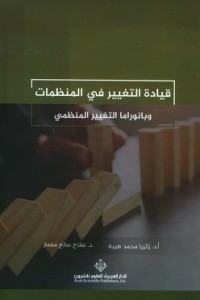
How To Build Your Child's Conscience
| Author: | Zakaria Muhammad Prestige |
| Category: | Child Rearing [Edit] |
| Language: | Arabic |
| Publisher: | الدار العربية للعلوم ناشرون |
| ISBN: | 9786140127159 |
| Release Date: | 01 Jan 2019 |
| Pages: | 216 |
| Rank: | 640,471 No 1 most popular |
| Short link: | Copy |
| More books like this book | |
Book Description
تلعب التربية وفلسفتها دوراً مهماً في تشكيل الأخلاق والضمير الأخلاقي؛ لأنها تهدف إلى تنمية شخصية الطفل من جميع جوانبها للوصول بها إلى الكمال، وما يتطلبه ذلك من أنماط سلوك وقدرات. في كتابهما المشترك «كيف تبني وجدان طفلك» يُركز المؤلفان الدكتور زكريا محمد هيبة والدكتور صلاح صالح معمار على التكوين الجواني للطفل من خلال بنائه وجدانياً، فهي بالنسبة للمؤلفان، فريضة تربوية، وواجباً أسرياً، وضرورة مجتمعية، ما يعني أن الأسرة والمدرسة والحاضنة المجتمعية كلها شريك في هذا التكوين، وأي قصور أو إهمال تحمل تبعته تلك الجهات.
ما يميز هذا الكتاب كونه يدمج بين الجانب النظري والجانب التطبيقي؛ وبذلك يتمكن المهتمون بتربية الطفل سواء الوالدين أو المعلمين أن يحقّقوا أكبر إفادة ممكنة. ويأتي الكتاب محاولة رائدة لإغناء البيئة التربوية العربية بأفضل الأساليب التربوية الممكنة؛ من حيث تقييمه للمؤسسات التربوية والمعاهد التعليمية والمربي، كما في تسليطه الضوء على ميول الطفل واستعداداته وإدراكه المعرفي وضرورة توجيه وجدانه الأخلاقي وتنمية مهاراته.
جاء الكتاب في خمسة فصول: تناول الفصل الأول التربية الأخلاقية من حيث المفهوم، وعلاقة الأخلاق بالدين، وحاجة المجتمعات للأخلاق. بينما تناول الفصل الثاني التربية الوجدانية من حيث المفهوم وما يرتبط به من مفاهيم، موضحاً الخلط الحاصل بين توجيه الوجدان وبنائه، وإزالة هذا اللبس بين الباحثين والقراء، ثم تطرق للانعكاسات الإيجابية للوجدان الأصيل والسلبية للوجدان الضعيف، وختم الفصل بضرورة وأهمية تكامل المؤسسات المعنية المختلفة في تكوين الوجدان. وتأتي الفصول: الثالث، والرابع، والخامس؛ لتجسد مثلث وجدان الطفل، وتبدأ ببناء ضمير الطفل من منظور إسلامي، وفلسفي، وتقديم تصور مقترح لتنمية تكوين الضمير عند الطفل، مروراً بتربية الإرادة عند الطفل، ثم طرح أهم الملامح الفلسفية لتربية الإرادة – الحرية – عند الطفل. وانتهاءً بآخر الفصول في مثلث الوجدان وهي التربية الجمالية للطفل، في ضوء التصور الفلسفي والإسلامي للجمال، وفي النهاية تقديم تصور مقترح لتنمية حسّ الجمال عند الطفل.

Copyright reserved
The book cannot be previewed or downloaded in order to preserve the copyright of the author and publishing house
Not available digitally or on paper through the Noor Library, it is for rating and review
Share the book :
Book Review "How To Build Your Child's Conscience"

Book Quotes "How To Build Your Child's Conscience"

Other books like "How To Build Your Child's Conscience"










Other books for "Zakaria Muhammad Prestige"



If there is a problem with the book, please report through one of the following links:
Report the book or by Contact us
E-books are complementary and supportive of paper books and never cancel it. With the click of a button, the e-book reaches anyone, anywhere in the world.
E-books may weaken your eyesight due to the glare of the screen. Support the book publisher by purchasing his original paper book. If you can access it and get it, do not hesitate to buy it.
Publish your book now for free