Critical Data Studies CDS - Algorithmic Bias and Discrimination

ترقية حسابك
التحميل مجاناً لكن نقدم بعض الخدمات المدفوعة ادعمنا بالإشتراك فيها
حذف الإعلانات وتسريع تصفح المكتبة.
يبدأ التحميل بضغطة زر دون انتظار تجهيز الكتاب.
لا حدود لمرات التحميل.
يمكنك رفع كتب بلا حدود بالمكتبة.
تمكين القراء من تحميل كتبك دون إنتظار.
حذف الاعلانات على الكتب التي تنشرها.
لا مشاكل في روابط التحميل لكتبك المرفوعة.
مراجعة كتاب Critical Data Studies Cds Algorithmic Bias And Discrimination
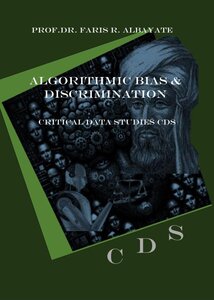

Critical Data Studies CDS - Algorithmic Bias And Discrimination
| مؤلف: | الأستاذ الدكتور فارس رشيد البياتي |
| قسم: | أبحاث الدراسات العليا [تعديل] |
| اللغة: | الإنجليزية |
| الصفحات: | 345 |
| ترتيب الشهرة: | 491,999 رقم 1 هو الأشهر ! |
| رابط مختصر: | نسخ |
| المزيد من الكتب مثل هذا الكتاب | |
وصف الكتاب
In the digital age, data has become a powerful currency shaping our lives in ways we might not always recognize. From the ads we see online to the news stories that pop up in our feeds, algorithms fueled by vast amounts of data are constantly making decisions that affect us. But behind the scenes, there's a growing awareness of a troubling issue: algorithmic bias and discrimination.
Welcome to our book on Critical Data Studies (CDS) and algorithmic bias. In these pages, we delve into the complex interplay between data, technology, and society, exploring how biases embedded within algorithms can perpetuate discrimination and inequality.
In our interconnected world, data is everywhere. It's generated by our online interactions, tracked by sensors in our smartphones, and collected by companies and governments. This wealth of data has fueled the rise of machine learning and artificial intelligence (AI), promising to revolutionize everything from healthcare to transportation.
But as we entrust more decisions to algorithms, we must confront a stark reality: these systems are not neutral. They reflect the biases and prejudices inherent in the data they're trained on, leading to discriminatory outcomes that can disproportionately impact marginalized communities.
In this book, we embark on a journey to understand the roots of algorithmic bias and discrimination, exploring the social, political, and ethical dimensions of data-driven technologies. We examine case studies from various domains, from criminal justice to hiring practices, revealing how algorithmic decision-making can perpetuate systemic inequalities.
But we don't stop there. We also explore strategies for addressing algorithmic bias, from technical approaches like fairness-aware algorithms to policy solutions such as transparency and accountability measures. We highlight the importance of interdisciplinary collaboration, bringing together researchers, policymakers, and activists to tackle this pressing issue from multiple angles.
شارك الكتاب :


كتب أخرى مثل "Critical Data Studies CDS - Algorithmic Bias and Discrimination"









كتب أخرى لـ "الأستاذ الدكتور فارس رشيد البياتي"




فى حالة وجود مشكلة بالكتاب الرجاء الإبلاغ من خلال أحد الروابط التالية:
بلّغ عن الكتاب أو من خلال التواصل معنا
الكتب الإلكترونية هي مكملة وداعمة للكتب الورقية ولا تلغيه أبداً بضغطة زر يصل الكتاب الإلكتروني لأي شخص بأي مكان بالعالم.
قد يضعف نظرك بسبب توهج الشاشة، أدعم ناشر الكتاب بشراءك لكتابه الورقي الأصلي إذا تمكنت من الوصول له والحصول عليه فلا تتردد بشراءه.
أنشر كتابك الآن مجانا