Tragic Sense Of Life

ترقية حسابك
التحميل مجاناً لكن نقدم بعض الخدمات المدفوعة ادعمنا بالإشتراك فيها
حذف الإعلانات وتسريع تصفح المكتبة.
يبدأ التحميل بضغطة زر دون انتظار تجهيز الكتاب.
لا حدود لمرات التحميل.
يمكنك رفع كتب بلا حدود بالمكتبة.
تمكين القراء من تحميل كتبك دون إنتظار.
حذف الاعلانات على الكتب التي تنشرها.
لا مشاكل في روابط التحميل لكتبك المرفوعة.
تحميل كتاب Tragic Sense Of Life Pdf
هذا الكتاب ملكية عامة
نُشر هذا الكتاب برخصة المشاع الإبداعي مع ذكر المؤلف والمصدر



Tragic Sense Of Life
| مؤلف: | Miguel de Unamuno |
| قسم: | التربية الدينية [تعديل] |
| اللغة: | الإنجليزية |
| الناشر: | Project Gutenberg |
| تاريخ الإصدار: | 08 يناير 2005 |
| الصفحات: | 331 |
| حجم الملف: | 1.85 ميجا بايت |
| نوع الملف: | |
| تاريخ الإنشاء: | 20 يوليو 2022 |
| ترتيب الشهرة: | 331,474 رقم 1 هو الأشهر ! |
| رابط مختصر: | نسخ |
| المزيد من الكتب مثل هذا الكتاب | |

Miguel De Unamuno
المؤلف كتاب Tragic Sense Of Life والمؤلف لـ 14 كتب أخرى.
Miguel de Unamuno was born in the medieval centre of Bilbao, Basque Country, the son of Félix de Unamuno and Salomé Jugo. As a young man, he was interested in the Basque language, and competed for a teaching position in the Instituto de Bilbao, against Sabino Arana. The contest was finally won by the Basque scholar Resurrección María de Azcue.
Unamuno worked in all major genres: the essay, the nove Miguel de Unamuno was born in the medieval centre of Bilbao, Basque Country, the son of Félix de Unamuno and Salomé Jugo. As a young man, he was interested in the Basque language, and competed for a teaching position in the Instituto de Bilbao, against Sabino Arana. The contest was finally won by the Basque scholar Resurrección María de Azcue.
Unamuno worked in all major genres: the essay, the novel, poetry and theatre, and, as a modernist, contributed greatly to dissolving the boundaries between genres. There is some debate as to whether Unamuno was in fact a member of the Generation of '98 (an ex post facto literary group of Spanish intellectuals and philosophers that was the creation of José Martínez Ruiz — a group that includes Antonio Machado, Azorín, Pío Baroja, Ramón del Valle-Inclán, Ramiro de Maeztu and Ángel Ganivet, among others).
In addition to his writing, Unamuno played an important role in the intellectual life of Spain. He served as rector of the University of Salamanca for two periods: from 1900 to 1924 and 1930 to 1936, during a time of great social and political upheaval. Unamuno was removed from his post by the government in 1924, to the protest of other Spanish intellectuals. He lived in exile until 1930, first banned to Fuerteventura (Canary Islands), from where he escaped to France. Unamuno returned after the fall of General Primo de Rivera's dictatorship and took up his rectorship again. It is said in Salamanca that the day he returned to the University, Unamuno began his lecture by saying "As we were saying yesterday, ", as Fray Luis de León had done in the same place four centuries before, as though he had not been absent at all. After the fall of Rivera's dictatorship, Spain embarked on its second Republic, a short-lived attempt by the people of Spain to take democratic control of their own country. He was a candidate for the small intellectual party Al Servicio de la República.
The burgeoning Republic was eventually squashed when a military coup headed by General Francisco Franco caused the outbreak of the Spanish Civil War. Having begun his literary career as an internationalist, Unamuno gradually became a convinced Spanish nationalist, feeling that Spain's essential qualities would be destroyed if influenced too much by outside forces. Thus for a brief period he actually welcomed Franco's revolt as necessary to rescue Spain from radical influence. However, the harsh tactics employed by the Francoists in the struggle against their republican opponents caused him to oppose both the Republic and Franco.
As a result of his opposition to Franco, Unamuno was effectively removed for a second time from his University post. Also, in 1936 Unamuno had a brief public quarrel with the Nationalist general Millán Astray at the University in which he denounced both Astray and elements of the Francoist movement. He called the battle cry of the rightist Falange movement—"Long live death!"—repellent and suggested Astray wanted to see Spain crippled. One historian notes that his address was a "remarkable act of moral courage" and that he risked being lynched on the spot. Shortly afterwards, he was placed under house arrest, where he remained, broken-hearted, until his death ten weeks later.[1]
وصف الكتاب
Author: Unamuno, Miguel de, 1864-1936
Translator: Flitch, J. E. Crawford (John Ernest Crawford), 1881-1946
Uniform Title: Del sentimiento trágico de la vida. English
Title: Tragic Sense Of Life
Language: English
LoC Class: B: Philosophy, Psychology, Religion
Subject: Faith and reason -- Christianity
Subject: Immortality -- Christianity
Subject: Tragic, The -- Religious aspects -- Christianity
Release Date: Jan 8, 2005
Copyright Status: Public domain in the USA.
: Project Gutenberg books are always free!


شارك الكتاب :
مراجعة كتاب "Tragic Sense Of Life"

اقتباسات كتاب "Tragic Sense Of Life"

كتب أخرى مثل "Tragic Sense Of Life"
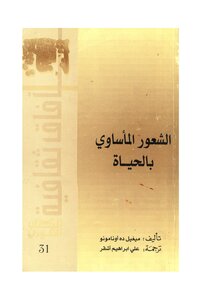
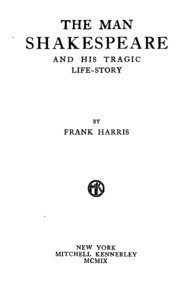










كتب أخرى لـ "Miguel de Unamuno"


فى حالة وجود مشكلة بالكتاب الرجاء الإبلاغ من خلال أحد الروابط التالية:
بلّغ عن الكتاب أو من خلال التواصل معنا
الكتب الإلكترونية هي مكملة وداعمة للكتب الورقية ولا تلغيه أبداً بضغطة زر يصل الكتاب الإلكتروني لأي شخص بأي مكان بالعالم.
قد يضعف نظرك بسبب توهج الشاشة، أدعم ناشر الكتاب بشراءك لكتابه الورقي الأصلي إذا تمكنت من الوصول له والحصول عليه فلا تتردد بشراءه.
أنشر كتابك الآن مجانا