بناء روبوت تابع الخط

ترقية حسابك
التحميل مجاناً لكن نقدم بعض الخدمات المدفوعة ادعمنا بالإشتراك فيها
حذف الإعلانات وتسريع تصفح المكتبة.
يبدأ التحميل بضغطة زر دون انتظار تجهيز الكتاب.
لا حدود لمرات التحميل.
يمكنك رفع كتب بلا حدود بالمكتبة.
تمكين القراء من تحميل كتبك دون إنتظار.
حذف الاعلانات على الكتب التي تنشرها.
لا مشاكل في روابط التحميل لكتبك المرفوعة.
تحميل كتاب بناء روبوت تابع الخط Pdf
هذا الكتاب ملكية عامة
نُشر هذا الكتاب برخصة المشاع الإبداعي مع ذكر المؤلف والمصدر



بناء روبوت تابع الخط
| مؤلف: | HUI SENG KEONG ENG PEI CHEE KANG ENG SIEW CHIA KIM SENG |
| قسم: | هندسة الميكاترونكس والروبوت [تعديل] |
| اللغة: | الإنجليزية |
| الناشر: | Southern University College |
| تاريخ الإصدار: | 21 أغسطس 2014 |
| الصفحات: | 94 |
| حجم الملف: | 2.48 ميجا بايت |
| نوع الملف: | |
| تاريخ الإنشاء: | 22 أغسطس 2014 |
| ترتيب الشهرة: | 192,334 رقم 1 هو الأشهر ! |
| رابط مختصر: | نسخ |
| المزيد من الكتب مثل هذا الكتاب | |

Hui Seng Keong
المؤلف كتاب بناء روبوت تابع الخط .
CHIA KIM SENG, KANG ENG SIEW, ENG PEI CHEE, HUI SENG KEONG
وصف الكتاب
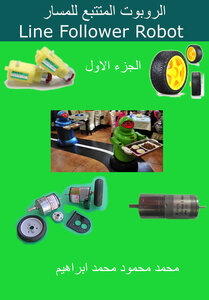
Applying the knowledge and skills that students gained from their formal learning to solve "real-life" engineering problems plays a crucial role to enhance overall teaching and learning process in higher education system. There is a need to find a better way to equip the students with not only a broader spectrum of knowledge, but also reasoning skills that will allow them to work in a wide range of industries. We believe that practical works improve students’ academic interest and performance in engineering courses. This belief motivates us to complete this handbook to guide learners to practice their theoretical knowledge using practical assignment by means of a line follower robot in engineering courses. The main scope of this handbook is to address the practical concerns of building a line follower robot. A line follower robot is a mobile machine that is designed to move along a given line. This kind of robot has been widely implemented for various purposes e.g. transporting goods in manufacturing industries, research experiments, and competitions. Thus, the development of a line follower robot provides an alternative practical opportunity for instructors and learners to enrich teaching and learning experiences. This handbook aims to assist readers to build a line follower robot using an open-source electronics platform based on easy-to-use hardware and software – Arduino. In addition to the use of Arduino IDE, this handbook also presents the use of Atmel software and FPGA to program and to control the robot, respectively. The content of this handbook is categorized into two parts, i.e. Getting Started and Examples of Implementation. In Getting Started, the procedure to getting started with 3pi robot using Arduino IDE (Chapter 1) and Atmel 6 (Chapter 2) are presented. Chapter 3 and Chapter 4 introduce Arduino robot and FPGA, respectively. Besides, we also provide the procedures of self-deploying line follower robots using Arduino UNO (Chapter 5) and FPGA (Chapter 6) as controllers. In Part 2, our results and findings are presented. These results and findings are compiled into three topics of Robot Racing (Chapter 7), Maze Puzzle (Chapter 8), and C Programming Learning (Chapter 9).


شارك الكتاب :
مراجعة كتاب "بناء روبوت تابع الخط"

اقتباسات كتاب "بناء روبوت تابع الخط"

كتب أخرى مثل "بناء روبوت تابع الخط"












فى حالة وجود مشكلة بالكتاب الرجاء الإبلاغ من خلال أحد الروابط التالية:
بلّغ عن الكتاب أو من خلال التواصل معنا
الكتب الإلكترونية هي مكملة وداعمة للكتب الورقية ولا تلغيه أبداً بضغطة زر يصل الكتاب الإلكتروني لأي شخص بأي مكان بالعالم.
قد يضعف نظرك بسبب توهج الشاشة، أدعم ناشر الكتاب بشراءك لكتابه الورقي الأصلي إذا تمكنت من الوصول له والحصول عليه فلا تتردد بشراءه.
أنشر كتابك الآن مجانا