اقتباسات من كتب مالكولم إكس
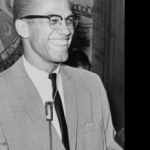
مالكولم إكس
Malcolm X (born Malcolm Little), also known as El-Hajj Malik El-Shabazz, was an American Black Muslim minister and a spokesman for the Nation of Islam.
After leaving the Nation of Islam in 1964, he made the pilgrimage, the Hajj, to Mecca and became a Sunni Muslim. He also founded the Muslim Mosque, Inc. and the Organization of Afro-American Unity. Less than a year later, he was assassinated in Wash Malcolm X (born Malcolm Little), also known as El-Hajj Malik El-Shabazz, was an American Black Muslim minister and a spokesman for the Nation of Islam.
After leaving the Nation of Islam in 1964, he made the pilgrimage, the Hajj, to Mecca and became a Sunni Muslim. He also founded the Muslim Mosque, Inc. and the Organization of Afro-American Unity. Less than a year later, he was assassinated in Washington Heights on the first day of National Brotherhood Week.
Historian Robin D.G. Kelley wrote, "Malcolm X has been called many things: Pan-Africanist, father of Black Power, religious fanatic, closet conservative, incipient socialist, and a menace to society. The meaning of his public life — his politics and ideology — is contested in part because his entire body of work consists of a few dozen speeches and a collaborative autobiography whose veracity is challenged. Malcolm has become a sort of tabula rasa, or blank slate, on which people of different positions can write their own interpretations of his politics and legacy.



 NoorBook