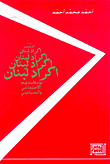
كتب social and political reform the origins development and impact of the sadrist trend on the iraqi arena
اذا لم تجد ما تبحث عنه يمكنك استخدام كلمات أكثر دقة.

Social and Political Reform: The Origins, Development, and Impact of the Sadrist Trend on the Iraqi Arena (كتاب)
Abstract
This study examines the origins, development, and contemporary political impact of the Sadrist movement in Iraq, analysing its trajectory from underground religious opposition during the Baathist era to its emergence as the dominant political force in post-2003 Iraq. Drawing upon comprehensive socio-historical analysis, the study demonstrates that the Sadrist movement—founded by Mohammed Baqir al-Sadr and developed by Mohammed Sadeq al-Sadr, and continued through Muqtada al-Sadr—represents an authentic indigenous reform movement grounded in principled nationalism and genuine popular legitimacy. The research distinguishes between authentic religious-nationalist movements characterised by financial independence and popular sovereignty, and pseudo-religious parties functioning as instruments of foreign interests or sectarian agendas. By analysing the 2022 parliamentary withdrawal wherein Muqtada al-Sadr vacated seventy-three parliamentary seats despite electoral victory, the paper argues that the Sadrist movement's moral authority extends beyond institutional accumulation. The findings challenge Western secularisation theory by demonstrating that religious authority, when genuinely rooted in popular consciousness and organisational capability, proves more resilient and effective in governance than secular alternatives in post-colonial contexts. The research contributes to scholarly debates on political legitimacy, religious authority, and sustainable development in societies with profound religious consciousness.
Keywords: Sadrist movement, Iraqi politics, religious authority, political legitimacy, social reform, political development, post-colonial governance