كتب الدلالة وحدود الفهم في أنطولوجيا المعنى
اذا لم تجد ما تبحث عنه يمكنك استخدام كلمات أكثر دقة.
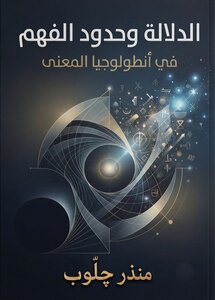
الدلالة وحدود الفهم: في أنطولوجيا المعنى (كتاب)
الدلالة وحدود الفهم: في أنطولوجيا المعنى
تأليف: منذر چلّوب
يبحث هذا الكتاب في العلاقة بين الوجود والدلالة والفهم الإنساني، انطلاقاً من فرضية فلسفية مؤداها أن الدلالة أوسع من قدرة الإنسان على فهمها، وأن امتناع الإحاطة بالمعنى لا يستلزم غيابه أو سقوط أثره في المعرفة والفعل. ويتخذ البحث من قوله تعالى: «وإن من شيء إلا يسبح بحمده ولكن لا تفقهون تسبيحهم» (الإسراء: 44) مدخلاً لإعادة النظر في العلاقة بين الإنسان والعالم، وفحص إمكان قيام معنى تتجاوز حقيقته حدود الإدراك والتعبير اللغوي، دون تحويل العالم إلى خطاب بشري مستتر أو افتراض أن كل موجود يحمل رسالة موجهة إلى الإنسان.
يناقش الكتاب أطروحة الصمت الوجودي وحدود قدرتها على تفسير انتظام العالم وقابليته للدلالة، ويطور مفهوم «الاستعداد الدلالي للعالم» لبيان إمكان انكشاف المعنى من غير افتراض أن اللغة تنشئه أو أن الوعي يمتلك حقيقته. ويؤسس على ذلك قراءة فلسفية لمفهوم «عدم فقه التسبيح»، باعتباره حداً بنيوياً للفهم الإنساني يتصل بطبيعة العلاقة بين الوعي والوجود، مع التمييز بين شمول الدلالة وتفاوت درجات انكشافها، وبين إمكان الفهم واستنفاد موضوعه. ويضع البحث معايير لضبط التأويل، تشمل القابلية للتثبت والاقتصاد التأويلي وإمكان التصحيح، منعاً لتحويل اتساع المعنى إلى ترخيص بالتفسير الاعتباطي.
وينتقل الكتاب إلى معالجة العلاقة بين المعرفة والحجية والتكليف، مستفيداً من مفاهيم أصول الفقه الإسلامي، ولا سيما المنجزية والمعذرية والقدرة والظن المعتبر. ويبحث في الشروط التي يصبح معها المعنى ملزماً للإنسان رغم عدم اكتمال فهمه، مقترحاً تصوراً للإلزام يقوم على كفاية البيان وإمكان الاستجابة، مع مراعاة حدود القدرة وإبقاء الأحكام قابلة للمراجعة والتصحيح. ويمتد التحليل إلى وظيفة اللغة عند حدودها، والتمييز بين الإشارة إلى المعنى واستنفاده، ثم إلى نقد دعاوى البرهنة النهائية في فلسفة الدين، ومناقشة أدلة النظام والغاية والتصميم وحدود الانتقال من انتظام العالم وقابليته للدلالة إلى إثبات قضايا ميتافيزيقية.
تتمثل الإضافة الفلسفية التي يسعى إليها الكتاب في تطوير تصور للمعنى يحفظ استقلال الواقع عن التأويل الإنساني، ويقر بحدود الفهم دون تحويلها إلى عجز معرفي مطلق، ويربط الإلزام الأخلاقي بما يستطيع الإنسان إدراكه وترجيحه والعمل بمقتضاه. ويعيد البحث، على هذا الأساس، النظر في العلاقة بين العقل والحرية والمسؤولية، مقترحاً فهماً للفعل المسؤول يقوم على الاستجابة الأمينة لما انكشف من المعنى، وتحمل تبعات القرار، والاستعداد لتصحيح الموقف عند ظهور ما يستدعي مراجعته. ويجمع الكتاب بين التحليل الأنطولوجي والمعرفي وفلسفة اللغة وفلسفة الدين، في حوار نقدي مع الفلسفة المعاصرة والتراث الفلسفي والكلامي والأصولي الإسلامي.
Meaning and the Limits of Understanding: Toward an Ontology of Meaning
Author: Munthir Chel'loob
This book investigates the relationship between existence, meaning, and human understanding, advancing the philosophical thesis that meaning exceeds the limits of human comprehension and that the impossibility of exhaustive understanding does not entail the absence of meaning or the suspension of its epistemic and practical significance. Taking the Qur'anic statement that all things glorify God although human beings do not comprehend their glorification (Qur'an 17:44) as its point of departure, the investigation re-examines the relationship between human consciousness and the world. It explores the possibility of meaning that transcends the conditions of human perception and linguistic expression, without treating the world as a concealed system of human language or assuming that every existent communicates a message addressed to human beings.
The book critically examines the thesis of ontological silence and its explanatory limitations in accounting for the order of the world and its capacity to disclose meaning. It develops the concept of the world's capacity for signification to explain how meaning may become accessible to human understanding without being constituted by language or fully possessed by consciousness. On this basis, the Qur'anic notion of the non-comprehension of cosmic glorification is developed into an epistemological and interpretative principle. The investigation distinguishes the universality of meaning from the varying degrees of its disclosure, and the possibility of understanding from the exhaustive comprehension of what is understood. It further establishes criteria for responsible interpretation, including verifiability, interpretative economy, and corrigibility, in order to prevent the openness of meaning from becoming a justification for arbitrary interpretation.
The investigation subsequently addresses the relationship between knowledge, epistemic warrant, and moral obligation, drawing upon conceptual distinctions developed within Islamic legal theory (uṣūl al-fiqh), particularly those concerning binding justification, excusable ignorance, practical capacity, and warranted judgement under uncertainty. It examines the conditions under which meaning becomes normatively binding despite the incompleteness of human understanding, developing an account of obligation grounded in sufficient disclosure, practical capacity, and openness to critical revision. The discussion also explores the functions and limits of language, distinguishing meaningful indication from exhaustive representation, before critically examining claims to conclusive demonstration in contemporary philosophy of religion. Particular attention is given to arguments from order, purpose, and design, and to the limits of inferring metaphysical conclusions from the intelligibility and apparent meaningfulness of the world.
The book's principal philosophical contribution lies in developing an account of meaning that preserves the independence of reality from human interpretation, acknowledges the structural limits of understanding without reducing them to absolute epistemic incapacity, and connects practical obligation with what human beings can reasonably apprehend, assess, and act upon. It consequently reconsiders the relationship between reason, freedom, and moral responsibility, proposing an understanding of responsible agency grounded in responsiveness to accessible meaning, accountability for practical decisions, and a continuing willingness to revise judgements when new reasons emerge. Combining ontological and epistemological analysis with philosophy of language and philosophy of religion, the work engages critically with contemporary philosophical thought and the Islamic philosophical, theological, and jurisprudential traditions.