دليل للوصفات الجيدة: دليل عملي (منظمة الصحة العالمية)

ترقية حسابك
التحميل مجاناً لكن نقدم بعض الخدمات المدفوعة ادعمنا بالإشتراك فيها
حذف الإعلانات وتسريع تصفح المكتبة.
يبدأ التحميل بضغطة زر دون انتظار تجهيز الكتاب.
لا حدود لمرات التحميل.
يمكنك رفع كتب بلا حدود بالمكتبة.
تمكين القراء من تحميل كتبك دون إنتظار.
حذف الاعلانات على الكتب التي تنشرها.
لا مشاكل في روابط التحميل لكتبك المرفوعة.
تحميل كتاب دليل للوصفات الجيدة دليل عملي منظمة الصحة العالمية Pdf
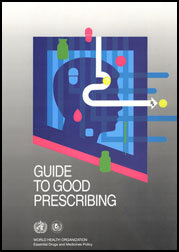

دليل للوصفات الجيدة: دليل عملي (منظمة الصحة العالمية)
| مؤلف: | T. P. G. M. de Vries - R. H. Henning- H. V. Hogerzeil- D. A. Fresle |
| قسم: | علوم الطب [تعديل] |
| اللغة: | الإنجليزية |
| الناشر: | WHO |
| تاريخ الإصدار: | 01 يناير 2011 |
| الصفحات: | 142 |
| حجم الملف: | 315 كيلو بايت |
| نوع الملف: | |
| تاريخ الإنشاء: | 05 يونيو 2001 |
| ترتيب الشهرة: | 188,979 رقم 1 هو الأشهر ! |
| رابط مختصر: | نسخ |
| المزيد من الكتب مثل هذا الكتاب | |

Mohamed Irhuma
Professor
الناشر وليس المؤلف كتاب دليل للوصفات الجيدة: دليل عملي (منظمة الصحة العالمية) .
As a Professor in Clinical Pharmacology, an academic researcher, and a physician, my professional journey has uniquely positioned me at the nexus of scientific rigour and holistic well-being. My work transcends conventional medical boundaries, delving into the philosophical underpinnings of Islamic thought, particularly as they relate to human health and spiritual [Imaan] flourishing. My research often explores how the sacred Islamic principles, such as those found in the rich Prophetic Sunnah, can inform contemporary medical ethics and practice. I aim to offer a nuanced perspective on healing that encompasses both body and soul [Imaan], acknowledging the Sunnah's role as a "divinely preserved legacy" that "elucidates the Qur’an’s commands" and guides a complete way of life. This interdisciplinary approach, deeply rooted in both empirical science and the true rich heritage of Islamic philosophy, underpins my writing, bridging the gap between faith [ISLAM] and evidence-based knowledge.
وصف الكتاب
At the start of clinical training most medical students find that they don't have a
very clear idea of how to prescribe a drug for their patients or what information
they need to provide. This is usually because their earlier pharmacology training
has concentrated more on theory than on practice. The material was probably
'drug-centred', and focused on indications and side effects of different drugs. But
in clinical practice the reverse approach has to be taken, from the diagnosis to the
drug. Moreover, patients vary in age, gender, size and sociocultural
characteristics, all of which may affect treatment choices. Patients also have their
own perception of appropriate treatment, and should be fully informed partners
in therapy. All this is not always taught in medical schools, and the number of
hours spent on therapeutics may be low compared to traditional pharmacology
teaching.
Clinical training for undergraduate students often focuses on diagnostic rather
than therapeutic skills. Sometimes students are only expected to copy the
prescribing behaviour of their clinical teachers, or existing standard treatment
guidelines, without explanation as to why certain treatments are chosen. Books
may not be much help either. Pharmacology reference works and formularies are
drug-centred, and although clinical textbooks and treatment guidelines are
disease-centred and provide treatment recommendations, they rarely discuss
why these therapies are chosen. Different sources may give contradictory advice.
The result of this approach to pharmacology teaching is that although
pharmacological knowledge is acquired, practical prescribing skills remain weak.
In one study, medical graduates chose an inappropriate or doubtful drug in
about half of the cases, wrote one-third of prescriptions incorrectly, and in twothirds
of cases failed to give the patient important information. Some students
may think that they will improve their prescribing skills after finishing medical
school, but research shows that despite gains in general experience, prescribing
skills do not improve much after graduation.
Bad prescribing habits lead to ineffective and unsafe treatment, exacerbation or
prolongation of illness, distress and harm to the patient, and higher costs. They
also make the prescriber vulnerable to influences which can cause irrational
prescribing, such as patient pressure, bad example of colleagues and highpowered
salesmanship. Later on, new graduates will copy them, completing the
circle. Changing existing prescribing habits is very difficult. So good training is
needed before poor habits get a chance to develop


شارك الكتاب :

اقتباسات كتاب "دليل للوصفات الجيدة: دليل عملي (منظمة الصحة العالمية)"

كتب أخرى مثل "دليل للوصفات الجيدة: دليل عملي (منظمة الصحة العالمية)"








فى حالة وجود مشكلة بالكتاب الرجاء الإبلاغ من خلال أحد الروابط التالية:
بلّغ عن الكتاب أو من خلال التواصل معنا
الكتب الإلكترونية هي مكملة وداعمة للكتب الورقية ولا تلغيه أبداً بضغطة زر يصل الكتاب الإلكتروني لأي شخص بأي مكان بالعالم.
قد يضعف نظرك بسبب توهج الشاشة، أدعم ناشر الكتاب بشراءك لكتابه الورقي الأصلي إذا تمكنت من الوصول له والحصول عليه فلا تتردد بشراءه.
أنشر كتابك الآن مجانا