كتب حانة السعادة نص مسرحي للكاتب المسرحي والروائي اليمني حميد عقبي
اذا لم تجد ما تبحث عنه يمكنك استخدام كلمات أكثر دقة.

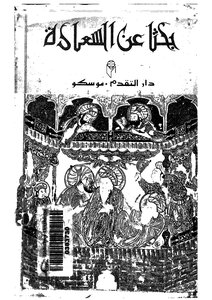
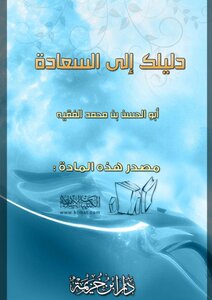
حانة السعادة .. نص مسرحي للكاتب المسرحي والروائي اليمني حميد عقبي (كتاب)
في حانة السعادة، يقدّم حميد عقبي نصًا مسرحيًا فريدًا، يغوص بنا منذ المشهد الأول في أجواء خانقة، قاتمة، ومقلقة. المكان—حانة صغيرة منقسمة بين الداخل والخارج—لا يُرسم كمجرد ديكور، بل يتجلى كفضاء نفسي مضطرب، تتقاطع فيه مسارات المهاجرين، المطرودين، والمهزومين، أولئك الذين قذفت بهم الحياة إلى تخوم العدم. لا أسماء عابرة في هذا النص، بل شخوص متصدعة، كل منهم يحاور ماضيه، جسده، دينه، جنسه، وقيمه المهددة بالانهيار.
يستثمر عقبي لغة مسرحية كثيفة، مشحونة بالشعر والرمز، لتقديم ثيمات كبيرة: اللجوء، الدين، الجسد، العنف، الاغتصاب الرمزي، فقدان المعنى، وضياع الأوطان. لكن ما يميز المسرحية ليس الموضوعات بحد ذاتها، بل الطريقة التي تُعرض بها: بانسيابية درامية، وحوارات تنوس بين التهكم والبكاء، بين الفلسفة والمونولوج الداخلي، وبين الغناء والصراخ. الشخصيات تتناوب على الاعتراف والانهيار، لا تنجو من نفسها، ولا من بعضها.
عبر مسارات متقاطعة، وتوترات متصاعدة، يدفعنا الكاتب نحو نهاية فجائعية دون إنذار، كما لو كنا شهودًا على تمرين حيّ لنهاية العالم. لا نعرف من نجا ومن انهار، لكننا نخرج ونحن نحمل ارتجاجًا داخليًا.
حانة السعادة : تجربة وجودية مركبة، تأخذ القارئ إلى قلب السواد، وتدعوه للتفكر لا في مصير الشخصيات فحسب، بل في مصيره الشخصي. بأسلوب مدهش، يُدخلنا عقبي في عالم مسرحي ينهار فيه اليقين، وتتلاشى فيه الحدود بين الضحية والجلاد، بين الدين والجسد، وبين السعادة… وخرابها.
حانة السعادة ..نص مسرحي للكاتب المسرحي والروائي اليمني حميد عقبي
54 صفحة
دار أطياف للنشر والترجمة 2025
In The Happiness Tavern, playwright Hamid Oqabi crafts a gripping theatrical experience where space becomes a psychological battlefield. Set in a fragmented bar, the play introduces a group of exiles, each haunted by trauma, identity, and existential dislocation. Through layered dialogues and unsettling silences, OQABI explores major themes—migration, faith, gender, loss, and the collapse of meaning—without offering resolution. Characters drift between confession and collapse, seeking solace in illusions. The play’s unsettling beginning and its apocalyptic conclusion immerse the audience in an atmosphere of impending doom. OQABI's technique is minimalist yet symbolic, emphasizing the fragility of language and the volatility of the human condition. The Happiness Tavern is not merely a play—it's a theatrical descent into a crumbling world where salvation feels just out of reach.
Dans Bar du bonheur, le dramaturge Hamid OQABI orchestre une plongée vertigineuse dans un espace scénique tendu, fragmenté, où se croisent des exilés, des âmes brisées et des errants. Ce bar n’est pas un simple décor : il devient un territoire mental marqué par les blessures du monde contemporain. À travers des dialogues denses, des silences éloquents et une mise en scène symbolique, OQABI explore des thématiques profondes : migration, foi, genre, solitude, perte de sens et violence sourde. Les personnages ne progressent pas : ils se décomposent lentement. Le début installe un malaise diffus, la fin surgit comme une chute brutale, évoquant un effondrement global. Le style d’OQABI, entre dépouillement et lyrisme contenu, crée une tension continue où l’humain cherche un sens, sans jamais vraiment le trouver. Bar du bonheur est bien plus qu’une pièce : c’est une immersion dans une humanité vacillante, en quête de lumière dans un monde qui s’éteint.