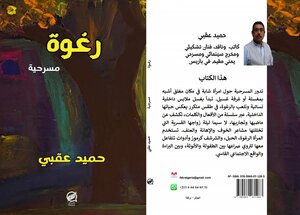
كتب السينما العربية محاولات البحث عن الهوية والأسلوب للكاتب والمخرج اليمني حميد عقبي
اذا لم تجد ما تبحث عنه يمكنك استخدام كلمات أكثر دقة.

"السينما العربية: محاولات البحث عن الهوية والأسلوب" للكاتب والمخرج اليمني حميد عقبي (كتاب)
كتاب "السينما العربية: محاولات البحث عن الهوية والأسلوب" للكاتب والمخرج اليمني حميد عقبي:
يعد هذا الكتاب مجموعة من المقالات النقدية السينمائية التي نشرها حميد عقبي عبر سنوات، وجمعها لاحقًا في إصدارٍ واحدٍ لتوثيق تجربته في تناول قضايا السينما العربية وتحليل بعض أفلامها، متجنبًا السرد الوصفي السطحي، وساعيًا إلى تعميق النقاش حول الأسلوب والهوية. يقدم الكتاب عشرين دراسة لأفلام عربية من مصر، فلسطين، الجزائر، تونس، وغيرها، ويقف عند محطات بارزة مثل: "عمارة يعقوبيان"، "حين ميسرة"، "عيد ميلاد ليلى"، "نهر لندن"، و"الدواحة".
يولي عقبي اهتمامًا خاصًا بالسينما المصرية، منتقدًا هيمنة الديكتاتورية على خطابها، كما يتناول التحولات في صورة الإرهابي والمثلي الديني، ويحلل كيف تُصوَّر الفئات المهمشة والعشوائيات، إضافة إلى تناوله أفلام خالد يوسف وتحليله الرموز الدينية في أعماله.
يخصص فصولًا لوجوه بارزة منها خالد صالح، مشيدًا بأدائه المعقد في أفلام مثل "هي فوضى" و"الريس حرب"، حيث أضفى طابعًا فلسفيًا وشعوريًا على شخصياته، رافضًا التنافس النرجسي على الشاشة، ومفضلًا روح التعاون. كما يحتفي بالنجم المغربي محمد بسطاوي، معتبرًا إياه فنانًا شعبيًا صادقًا، حمل هم البسطاء، وسعى إلى سينما تنتصر للإنسان.
من أبرز ما يتوقف عنده عقبي فيلم "عيد ميلاد ليلى" للمخرج الفلسطيني رشيد مشهراوي، حيث يصفه بلوحة إنسانية تعكس الواقع الفلسطيني من دون شعارات مباشرة، بل عبر شخصيات قلقة، تنتظر وتبحث عن الفرح وسط الحصار والموت. يرى في بطل الفيلم، سائق التاكسي "أبو ليلى"، تجسيدًا للمواطن الذي يسعى للعدالة الداخلية رغم العبث العام. يرفض الفيلم الخطابة المباشرة ويفتح باب التأمل في العدالة السماوية حين تفشل العدالة الأرضية.
كما يثني على "نهر لندن" للمخرج الجزائري الأصل رشيد بوشارب، الذي تناول حوار الحضارات والأديان من خلال قصة تجمع بين عثمان الإفريقي وسيدة بريطانية في لندن بعد حادث إرهابي، ويرى فيه نموذجًا ناجحًا للسينما التي تدعو للتفاهم والتقارب الإنساني، بعيدًا عن التنميط والخطابات الدعائية.
وفي فصلٍ مؤثر، يناقش عقبي تمثيل الإعاقة في السينما، داعيًا إلى تقديم الشخصيات المعاقة بكرامة وإنسانية، وتفادي استخدامها كوسيلة للشفقة أو السخرية. يشير إلى تجربته في مهرجان الشارقة حول "السينما والإعاقة"، ويؤكد على ضرورة تعميق النظرة النفسية والحقوقية لهذه الفئة.
في المجمل، يسعى الكتاب إلى الدفاع عن سينما عربية جادة، تحترم المتلقي وتطرح أسئلة الوجود، الهوية، والكرامة، رغم عوائق الإنتاج، وتغوّل الاستهلاك، وسط عالم عربي يعاني من التمزق وفقدان البوصلة.
Arab Cinema: Attempts to Search for Identity and Style by Yemeni filmmaker and critic Hamid Oqabi is a critical collection of essays exploring the trajectory, challenges, and potential of Arab cinema. Drawing from over fifteen years of writing, Oqabi presents analytical readings of around twenty Arab films from Egypt, Palestine, Tunisia, Algeria, and beyond. The book rejects superficial summaries in favor of deeper reflection on cinematic language, social realities, and artistic responsibility.
Oqabi highlights the crisis of contemporary Arab cinema, noting the dominance of commercial productions lacking narrative depth or aesthetic integrity. He discusses Egyptian cinema’s historical significance but criticizes its complicity with authoritarianism, particularly in its portrayals of power, violence, and marginalized identities such as LGBTQ+ individuals or slum dwellers.
The book features tributes to actors like Khaled Saleh and Mohamed Bastaoui, recognizing their unique contributions to humanist and socially grounded cinema. Aqabi praises Saleh's layered performances in films like Heya Fawda and The Yacoubian Building, portraying morally complex figures with emotional nuance.
Key film analyses include Birthday of Leila by Rashid Masharawi, a poetic reflection on justice, resistance, and daily life under occupation in Palestine; and London River by Rachid Bouchareb, which explores post-terrorism fear and the necessity of intercultural dialogue.
Oqabi also delves into representations of disability in Arab cinema, urging a more ethical and respectful approach that avoids pity or comic relief.
Overall, the book is both a critique and a call to action. It advocates for cinema that resists decay, reflects Arab realities with honesty, and aspires to artistic integrity and human dignity.
------------------------------------------------
Le cinéaste et critique yéménite Hamid Oqabi s’impose comme l’une des voix les plus singulières dans le paysage de la critique cinématographique arabe contemporaine. À travers douze livres, il explore le cinéma avec une approche passionnée, engagée et stylistiquement variée. Oqabi ne se contente pas d’analyser les œuvres ; il interroge le langage du cinéma, sa relation à l’identité, à la mémoire et à la réalité sociale et politique.
Son ouvrage « Le cinéma arabe : tentatives de recherche de l’identité et du style » illustre parfaitement cette démarche. Il y réunit des essais publiés sur différents supports, mêlant analyses esthétiques, lectures sociopolitiques, hommages à des acteurs emblématiques, et réflexions sur la représentation de la marginalité, de la dictature, du handicap ou de la résistance.
Son style oscille entre poésie critique, journalisme narratif et réflexion philosophique, offrant ainsi un espace d’expression unique à la parole cinéphile arabe. Oqabi plaide constamment pour un cinéma humain, libre et audacieux, qui ose poser des questions et affronter les tabous.
Son œuvre critique constitue ainsi un précieux répertoire d’idées et de résistances culturelles, un appel à repenser le cinéma arabe au-delà des formats commerciaux ou propagandistes.