بيئة الشرق الأوسط ما بعد الحرب

ترقية حسابك
التحميل مجاناً لكن نقدم بعض الخدمات المدفوعة ادعمنا بالإشتراك فيها
حذف الإعلانات وتسريع تصفح المكتبة.
يبدأ التحميل بضغطة زر دون انتظار تجهيز الكتاب.
لا حدود لمرات التحميل.
يمكنك رفع كتب بلا حدود بالمكتبة.
تمكين القراء من تحميل كتبك دون إنتظار.
حذف الاعلانات على الكتب التي تنشرها.
لا مشاكل في روابط التحميل لكتبك المرفوعة.
كتاب بيئة الشرق الأوسط ما بعد الحرب
حقوق النشر محفوظة
لا يمكن قراءة الكتاب أو تحميله حفاظاً على حقوق نشر المؤلف و دار النشر
غير متوفر رقمياً أو ورقياً من خلال مكتبة نور، متروك للتقييم والمراجعة



بيئة الشرق الأوسط ما بعد الحرب
| مؤلف: | وليد خليدى |
| قسم: | النزاعات والحروب فى الشرق الأوسط [تعديل] |
| اللغة: | الإنجليزية |
| الناشر: | مؤسسة الدراسات الفلسطينية السلسلة: IPS Papers |
| تاريخ الإصدار: | 01 يناير 1991 |
| الصفحات: | 48 |
| ترتيب الشهرة: | 835,574 رقم 1 هو الأشهر ! |
| رابط مختصر: | نسخ |
| المزيد من الكتب مثل هذا الكتاب | |
وصف الكتاب
The Middle East Postwar Environment examines the psychological, military, and political fallout of the Gulf war and the reactions to it of the region's principal actors. In this sequel to The Gulf Crisis: Origins and Consequences, the author demonstrates how the war has exacerbated old problems,added new problems, and yet paradoxically, opened a window of opportunity for a more stable order in the Middle East. While providing a background to the current situation, the paper makes evident the postwar trauma in the Arab world and the dangers it poses to regional stability. It addresses the impact of Iraq's devastation and of the resultant regional balance of power on the security of the Gulf states and Israel. The author argues that the military neutralization of Iraq affords the United States a unique opportunity to press for a just and durable resolution of the Palestine problem and the Arab-Israeli conflict.
Walid Khalidi is a graduate of London and Oxford universities. He has been a Research Associate at Princeton University, and has taught at Oxford, the American University of Beirut, and at Harvard University. He is currently a Research Fellow at the Center for Middle Eastern Studies at Harvard, and is a leading authority on regional and international aspects of the Middle East.
The Middle East Postwar Environment examines the psychological, military, and political fallout of the Gulf war and reactions to it of the region’s principal actors. In this sequel to the Gulf Crisis: Origins and Consequences, the author demonstrates how the war has exacerbated old problems, added new problems, and yet paradoxically, opened a new window of opportunity for a more stable order in the Middle East. While providing a background to the current situation, the paper makes evident the postwar trauma in the Arab world and the dangers it poses to regional stability. It addresses the impact of Iraq’s devastation and of the resultant regional balance of power on the security of the Gulf states and Israel. The author argues that the military neutralization of Iraq affords the United States a unique opportunity to press for a just and durable resolution of the Palestine problem and the Arab-Israeli conflict.

حقوق النشر محفوظة
لا يمكن قراءة الكتاب أو تحميله حفاظاً على حقوق نشر المؤلف و دار النشر
غير متوفر رقمياً أو ورقياً من خلال مكتبة نور، متروك للتقييم والمراجعة
شارك الكتاب :
مراجعة كتاب "بيئة الشرق الأوسط ما بعد الحرب"

اقتباسات كتاب "بيئة الشرق الأوسط ما بعد الحرب"

كتب أخرى مثل "بيئة الشرق الأوسط ما بعد الحرب"




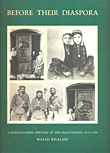
كتب أخرى لـ "وليد خليدى"


فى حالة وجود مشكلة بالكتاب الرجاء الإبلاغ من خلال أحد الروابط التالية:
بلّغ عن الكتاب أو من خلال التواصل معنا
الكتب الإلكترونية هي مكملة وداعمة للكتب الورقية ولا تلغيه أبداً بضغطة زر يصل الكتاب الإلكتروني لأي شخص بأي مكان بالعالم.
قد يضعف نظرك بسبب توهج الشاشة، أدعم ناشر الكتاب بشراءك لكتابه الورقي الأصلي إذا تمكنت من الوصول له والحصول عليه فلا تتردد بشراءه.
أنشر كتابك الآن مجانا