التكافؤ الدلالي للأفعال العربية

ترقية حسابك
التحميل مجاناً لكن نقدم بعض الخدمات المدفوعة ادعمنا بالإشتراك فيها
حذف الإعلانات وتسريع تصفح المكتبة.
يبدأ التحميل بضغطة زر دون انتظار تجهيز الكتاب.
لا حدود لمرات التحميل.
يمكنك رفع كتب بلا حدود بالمكتبة.
تمكين القراء من تحميل كتبك دون إنتظار.
حذف الاعلانات على الكتب التي تنشرها.
لا مشاكل في روابط التحميل لكتبك المرفوعة.
كتاب التكافؤ الدلالي للأفعال العربية
حقوق النشر محفوظة
لا يمكن قراءة الكتاب أو تحميله حفاظاً على حقوق نشر المؤلف و دار النشر
غير متوفر رقمياً أو ورقياً من خلال مكتبة نور، متروك للتقييم والمراجعة



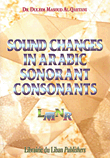
التكافؤ الدلالي للأفعال العربية
| مؤلف: | Duleim Masoud Al-Qahtani |
| قسم: | أدب الأخلاق العربي [تعديل] |
| اللغة: | الإنجليزية |
| الناشر: | مكتبة لبنان ناشرون |
| ردمك ISBN: | 9960444651 |
| تاريخ الإصدار: | 01 ديسمبر 2004 |
| الصفحات: | 198 |
| ترتيب الشهرة: | 502,555 رقم 1 هو الأشهر ! |
| رابط مختصر: | نسخ |
| المزيد من الكتب مثل هذا الكتاب | |
وصف الكتاب
The purpose of this study is two-fold: 1) to study the phonological and morphological structure of Arabic verbs; and 2) to classify Arabic verbs according to their semantic valence.A verb lexicon (henceforth lexicon) of 8327 Arabic verbs was compiled. (Al-Qahtani: 2003). the Matrix model by Cook (1979) underlies the theoretical farmework of the study. Furthermore, a verb list of the most common 200 verbs in the language is classified.
Chapter one states the purpose and scope of the study. The language used in this work, namely Modern Standard Arabic, among other possible varieties, is defined. It concludes with some remarks and tables on the transcription system adopted for the study.
Chapter two focuses on the Matrix model of Case Grammar Theory by Cook (1979) by explaining how the model works and alluding to the latest developments (Cook 1985), namely the extension of the Matrix, to 24 cells. One of the landmarks of the Matrix, the Covert Case theory, is discussed. Some advantages of the CG theory are given as the basis for choosing the Matrix over other models.
Chapter three is an historical review of verb typology, including philosophical, syntactic, and semantic methods of classifying verbs. Some studies conducted on the semantics of Arabic verbs are also included. An explanation of the derivation of verbs, unidirectional and bidirectional is given.
Chapter four deals with the data in the lexicon of 8327 verbs in MSA. The discussion focuses on the possible kinds of predicates in Arabic, then classifies verbs in the data according to their morphological structure. Some phonological rules on the structure of verbs follow. Statements on the prototypical or paradigmatic meanings of verb patterns are made.
Chapter five lists all common predicates in the language. Predicates are classified and case frames are assigned under each of the 24 cells of the Matrix. Modal cases from within the lists are discussed. Examples are also given from the language on the covert cases, deletable, coreferential, and lexicalized.
Chapter six concludes the study by giving some statistical analyses of cases and verb classes. Brief notes on some advantages of CG theory are made. Concluding remarks on the use of the Matrix with Arabic are made.

حقوق النشر محفوظة
لا يمكن قراءة الكتاب أو تحميله حفاظاً على حقوق نشر المؤلف و دار النشر
غير متوفر رقمياً أو ورقياً من خلال مكتبة نور، متروك للتقييم والمراجعة
شارك الكتاب :
مراجعة كتاب "التكافؤ الدلالي للأفعال العربية"

اقتباسات كتاب "التكافؤ الدلالي للأفعال العربية"

كتب أخرى مثل "التكافؤ الدلالي للأفعال العربية"








كتب أخرى لـ "Duleim Masoud Al-Qahtani"
فى حالة وجود مشكلة بالكتاب الرجاء الإبلاغ من خلال أحد الروابط التالية:
بلّغ عن الكتاب أو من خلال التواصل معنا
الكتب الإلكترونية هي مكملة وداعمة للكتب الورقية ولا تلغيه أبداً بضغطة زر يصل الكتاب الإلكتروني لأي شخص بأي مكان بالعالم.
قد يضعف نظرك بسبب توهج الشاشة، أدعم ناشر الكتاب بشراءك لكتابه الورقي الأصلي إذا تمكنت من الوصول له والحصول عليه فلا تتردد بشراءه.
أنشر كتابك الآن مجانا