Kulliyat-e-Iqbal: Urdu / کلیات اقبال: اردو

ترقية حسابك
التحميل مجاناً لكن نقدم بعض الخدمات المدفوعة ادعمنا بالإشتراك فيها
حذف الإعلانات وتسريع تصفح المكتبة.
يبدأ التحميل بضغطة زر دون انتظار تجهيز الكتاب.
لا حدود لمرات التحميل.
يمكنك رفع كتب بلا حدود بالمكتبة.
تمكين القراء من تحميل كتبك دون إنتظار.
حذف الاعلانات على الكتب التي تنشرها.
لا مشاكل في روابط التحميل لكتبك المرفوعة.
كتاب Kulliyat E Iqbal Urdu كليات اقبال اردو
حقوق النشر محفوظة
لا يمكن قراءة الكتاب أو تحميله حفاظاً على حقوق نشر المؤلف و دار النشر
غير متوفر رقمياً أو ورقياً من خلال مكتبة نور، متروك للتقييم والمراجعة

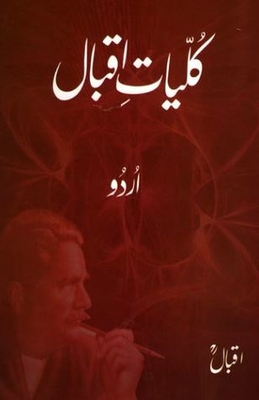

Kulliyat-e-Iqbal: Urdu / کلیات اقبال: اردو
| مؤلف: | محمد إقبال |
| قسم: | اللغة الأردية [تعديل] |
| اللغة: | الإنجليزية |
| الناشر: | Ferozsons |
| الصفحات: | 704 |
| ترتيب الشهرة: | 137,059 رقم 1 هو الأشهر ! |
| رابط مختصر: | نسخ |
| المزيد من الكتب مثل هذا الكتاب | |

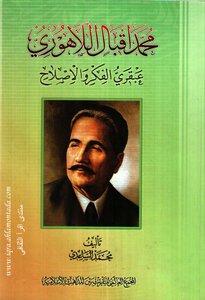
محمد إقبال
المؤلف كتاب Kulliyat-e-Iqbal: Urdu / کلیات اقبال: اردو .
Sir Allama Mohammad Iqbal also known as Allama Iqbal was born in 1877 in Sialkot, Punjab, in British Ruled India, now Pakistan, and was educated in the local school and college in Sialkot, before going on the university in Lahore. There he studied Arabic and philosophy as an undergraduate, then in 1899 did an M.A. in philosophy (being ranked first in the Punjab, and awarded a Gold Medal). He was a Sir Allama Mohammad Iqbal also known as Allama Iqbal was born in 1877 in Sialkot, Punjab, in British Ruled India, now Pakistan, and was educated in the local school and college in Sialkot, before going on the university in Lahore. There he studied Arabic and philosophy as an undergraduate, then in 1899 did an M.A. in philosophy (being ranked first in the Punjab, and awarded a Gold Medal). He was appointed to a Readership in Arabic at the Oriental College in Lahore, and over the next few years became well known as a poet, as well as writing his first book (in Urdu), The Knowledge of Economics (1903).
In 1905 he travelled to Europe to continue his philosophical studies, first at Cambridge, then at Munich, where he obtained his doctorate with a thesis entitled The Development of Metaphysics in Persia. From 1907 to 1908 he was Professor of Arabic at the University of London; during this period he studied for the bar, becoming a barrister in 1908, when he returned to Lahore to practise law. While practising as an advocate at the Lahore High Court he continued to a part-time academic career as professor of philosophy and English Literature, being appointed Professor of Philosophy at the Government College, Lahore in 1911. He was knighted in 1923.
Despite his law practice, his philosophical work, and his gradual entry into politics, first as a member of the Punjab Legislative Council and later as president of the All India Muslim League, Iqbal was probably best known and respected as a poet. Nevertheless, his other activities brought him some measure of fame, especially six lectures that he gave at Madras, Osmania University at Hyderabad, and Aligarh, which were later published as The Reconstruction of Religious Thought in Islam (1930). During the early thirties he travelled extensively in the Middle East and Europe, participating in international political conferences, meeting philosophers and politicians, and writing.
His political view was that in theory a Muslim state wasn't desirable, as he held to the ideal of a world-wide Muslim community; nevertheless, he held that, at least in the short and medium terms, the only way for Indian Muslims to be able to live according to the tenets of Islam was in such a state, and he campaigned accordingly. He died in Lahore in 1938, some nine years before the creation of Pakistan, where his birthday is celebrated as national holiday.
Iqbal's philosophical work involved bringing various philosophical influences, including Leibniz, Hegel, and Nietzsche, to his Islamic scholarship, thus holding out the promise of a revival of genuine Islamic philosophical thought — a return of Islam to its place in the philosophical world. That promise has yet to be truly fulfilled, though it remains in place.
"To exist in pure duration is to be a self, and to be a self is to be able to say 'I am'." (The Reconstruction of Religious Thought in Islam p.56)
وصف الكتاب
Complete Urdu poetry of Dr. Allama Mohammad Iqbal, one of the greatest poets of Urdu and Persian.

حقوق النشر محفوظة
لا يمكن قراءة الكتاب أو تحميله حفاظاً على حقوق نشر المؤلف و دار النشر
غير متوفر رقمياً أو ورقياً من خلال مكتبة نور، متروك للتقييم والمراجعة
شارك الكتاب :
مراجعة كتاب "Kulliyat-e-Iqbal: Urdu / کلیات اقبال: اردو"


كتب أخرى مثل "Kulliyat-e-Iqbal: Urdu / کلیات اقبال: اردو"







فى حالة وجود مشكلة بالكتاب الرجاء الإبلاغ من خلال أحد الروابط التالية:
بلّغ عن الكتاب أو من خلال التواصل معنا
الكتب الإلكترونية هي مكملة وداعمة للكتب الورقية ولا تلغيه أبداً بضغطة زر يصل الكتاب الإلكتروني لأي شخص بأي مكان بالعالم.
قد يضعف نظرك بسبب توهج الشاشة، أدعم ناشر الكتاب بشراءك لكتابه الورقي الأصلي إذا تمكنت من الوصول له والحصول عليه فلا تتردد بشراءه.
أنشر كتابك الآن مجانا