صنع القنبلة البشرية: إثنوغرافيا المقاومة الفلسطينية (ثقافات وممارسات العنف)

ترقية حسابك
التحميل مجاناً لكن نقدم بعض الخدمات المدفوعة ادعمنا بالإشتراك فيها
حذف الإعلانات وتسريع تصفح المكتبة.
يبدأ التحميل بضغطة زر دون انتظار تجهيز الكتاب.
لا حدود لمرات التحميل.
يمكنك رفع كتب بلا حدود بالمكتبة.
تمكين القراء من تحميل كتبك دون إنتظار.
حذف الاعلانات على الكتب التي تنشرها.
لا مشاكل في روابط التحميل لكتبك المرفوعة.
كتاب صنع القنبلة البشرية إثنوغرافيا المقاومة الفلسطينية ثقافات وممارسات العنف
حقوق النشر محفوظة
لا يمكن قراءة الكتاب أو تحميله حفاظاً على حقوق نشر المؤلف و دار النشر
غير متوفر رقمياً أو ورقياً من خلال مكتبة نور، متروك للتقييم والمراجعة



صنع القنبلة البشرية: إثنوغرافيا المقاومة الفلسطينية (ثقافات وممارسات العنف)
| مؤلف: | Nasser Abufarha |
| قسم: | الصراع الفلسطيني الإسرائيلي وتحرير القدس وفلسطين [تعديل] |
| اللغة: | الإنجليزية |
| الناشر: | Duke University Press Books |
| ردمك ISBN: | 822344394 |
| تاريخ الإصدار: | 01 يناير 2009 |
| ترتيب الشهرة: | 598,521 رقم 1 هو الأشهر ! |
| رابط مختصر: | نسخ |
| المزيد من الكتب مثل هذا الكتاب | |
وصف الكتاب
In The Making of a Human Bomb , Nasser Abufarha, a Palestinian anthropologist, explains the cultural logic underlying Palestinian martyrdom operations (suicide attacks) launched against Israel during the Al-Aqsa Intifada (2000–06). In so doing, he sheds much-needed light on how Palestinians have experienced and perceived the broader conflict. During the Intifada, many of the martyrdom operations against Israeli targets were initiated in the West Bank town of Jenin and surrounding villages. Abufarha was born and raised in Jenin. His personal connections to the area enabled him to conduct ethnographic research there during the Intifada, while he was a student at a U.S. university. Abufarha draws on the life histories of martyrs, interviews he conducted with their families and members of the groups that sponsored their operations, and examinations of Palestinian literature, art, performance, news stories, and political commentaries. He also assesses data—about the bombers, targets, and fatalities caused—from more than two hundred martyrdom operations carried out by Palestinian groups between 2001 and 2004. Some involved the use of explosive belts or the detonation of cars; others entailed armed attacks against Israeli targets (military and civilian) undertaken with the intent of fighting until death. In addition, he scrutinized suicide attacks executed by Hamas and Islamic Jihad between 1994 and 2000. In his analysis of Palestinian political violence, Abufarha takes into account Palestinians’ understanding of the history of the conflict with Israel, the effects of containment on Palestinians’ everyday lives, the disillusionment created by the Oslo peace process, and reactions to specific forms of Israeli state violence. The Making of a Human Bomb illuminates the Palestinians’ perspective on the conflict with Israel and provides a model for ethnographers seeking to make sense of political violence.

حقوق النشر محفوظة
لا يمكن قراءة الكتاب أو تحميله حفاظاً على حقوق نشر المؤلف و دار النشر
غير متوفر رقمياً أو ورقياً من خلال مكتبة نور، متروك للتقييم والمراجعة
شارك الكتاب :
مراجعة كتاب "صنع القنبلة البشرية: إثنوغرافيا المقاومة الفلسطينية (ثقافات وممارسات العنف)"

اقتباسات كتاب "صنع القنبلة البشرية: إثنوغرافيا المقاومة الفلسطينية (ثقافات وممارسات العنف)"

كتب أخرى مثل "صنع القنبلة البشرية: إثنوغرافيا المقاومة الفلسطينية (ثقافات وممارسات العنف)"
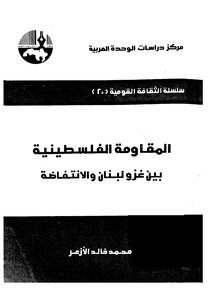

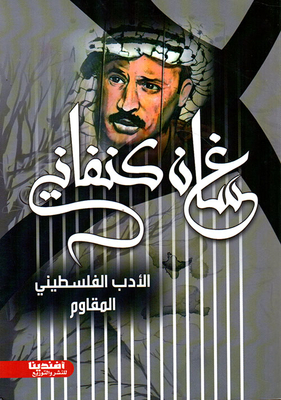




فى حالة وجود مشكلة بالكتاب الرجاء الإبلاغ من خلال أحد الروابط التالية:
بلّغ عن الكتاب أو من خلال التواصل معنا
الكتب الإلكترونية هي مكملة وداعمة للكتب الورقية ولا تلغيه أبداً بضغطة زر يصل الكتاب الإلكتروني لأي شخص بأي مكان بالعالم.
قد يضعف نظرك بسبب توهج الشاشة، أدعم ناشر الكتاب بشراءك لكتابه الورقي الأصلي إذا تمكنت من الوصول له والحصول عليه فلا تتردد بشراءه.
أنشر كتابك الآن مجانا